

The Town of Hills
I was born and raised in Toyohira, Sapporo City. I lived there for 25 years, until I moved to Higashikawa. The area I grew up in, Nishioka, is a residential neighborhood with a lot of slopes, and I could see Mt. Moiwa from right outside my house. So, the landscape I grew up with—the sight of Mt. Moiwa within the city of Sapporo—left a lasting impression on me.
The elementary school I attended was right next to Sapporo University. I often played on the university’s sports field (although we weren’t actually allowed to enter the grounds...). The area was full of slopes. Even the university grounds had height differences, and during the snowy winters, I used to wear plastic mini-skis and jump and play around in the snow.

From Architecture to Woodworking
For university, I enrolled in the Architecture Department of Hokkai-Gakuen University’s Faculty of Engineering because it was close enough to commute from home. As I studied architecture, my interest gradually shifted from buildings and structures to interiors and furniture. I decided to pursue a path in furniture making. Buildings, to me, felt a bit too large in scale. I was more drawn to things I could touch and see at a more personal scale. Once buildings are constructed, they often become something beyond reach, both literally and figuratively, so I was more interested in the scaled-down world of interiors and furniture.
Training in Furniture Making
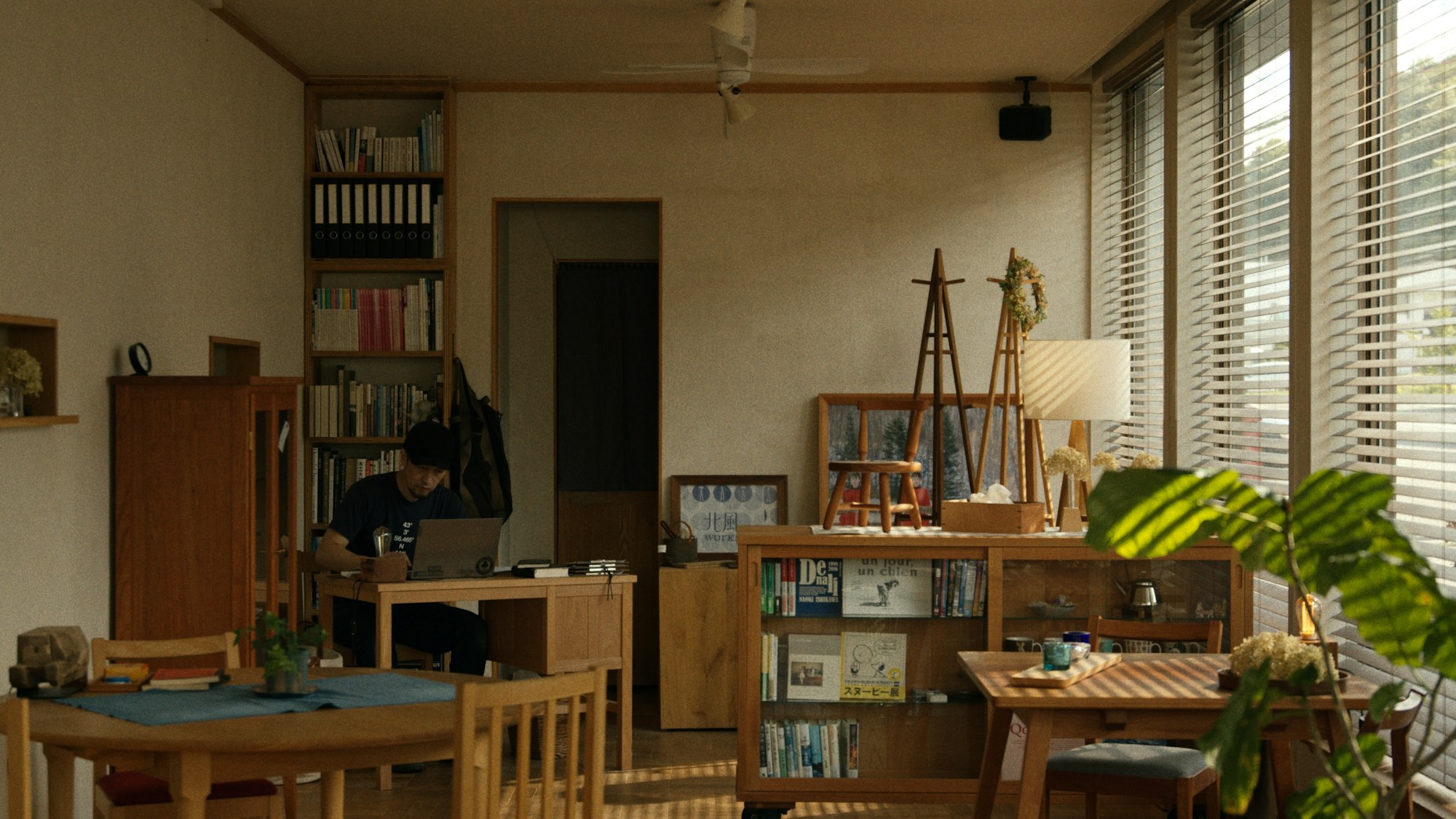
By the latter half of my senior year in university, I had decided to pursue a career in furniture making. I was late to the job-hunting game, so after graduation, I worked in a furniture store in Otaru, handling sales and deliveries. I still wanted to make furniture with my own hands, so while working at the furniture store, I researched vocational schools and furniture-making companies. I was surprised to discover how many furniture manufacturers there were in Japan. I began looking for opportunities to learn the entire furniture-making process from start to finish. I found a company in right in Higashikawa that offered exactly that so I sent them my resume, even though they weren’t hiring. The company president was kind enough to invite me to the company for a visit.
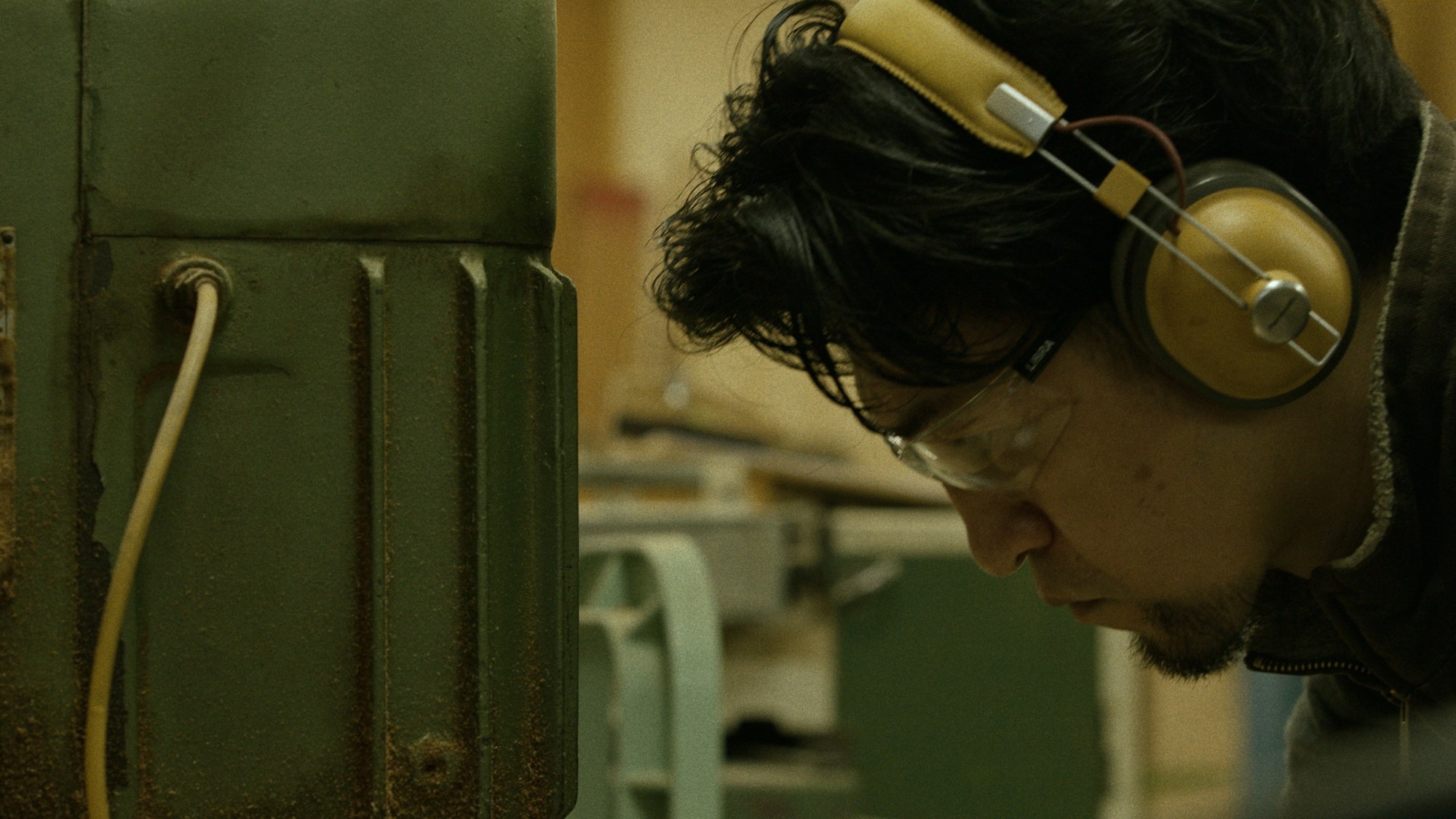
After some time, I started working there. For the first three months, I did mostly heavy labor. I eventually moved on to joining boards to make table tops, and then I worked on making drawers. Little by little, I got closer to the kind of work I had envisioned. I was determined to make a living in furniture making, and I was able to do it in an environment I was satisfied with. I worked there for almost nine years.

Starting Kitakaze Works
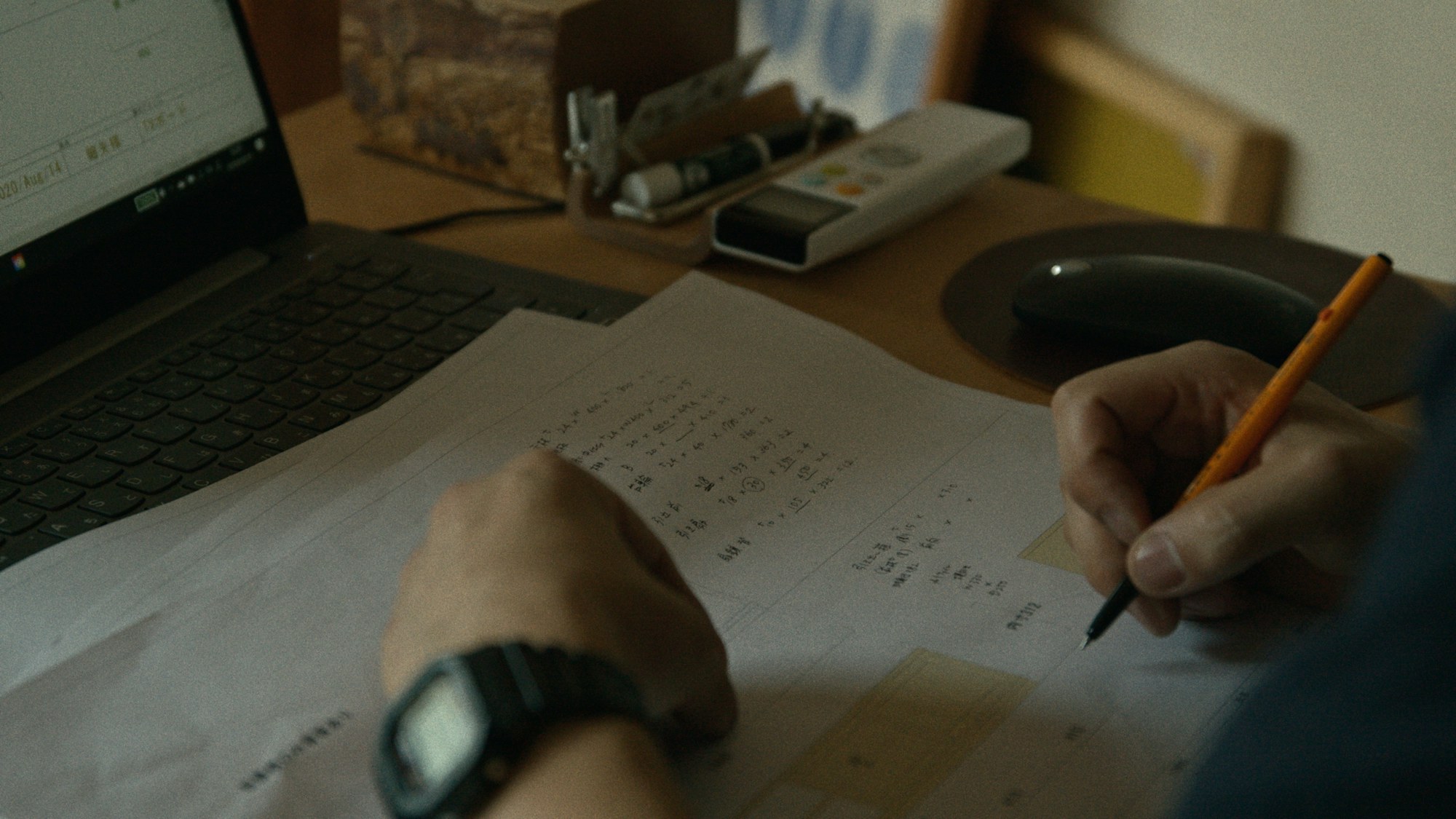
When I started my own company, I thought that if I simply made furniture, it would sell, but I quickly learned that wasn’t the case. I started my own brand in 2012, the year after the Tohoku earthquake and tsunami. I had this hope that more people would value long-lasting, well-made products, even if they were expensive, rather than cheap, low-quality ones. I thought people would choose my furniture in that context, but things didn’t change so easily.
Most of the orders I receive are for custom-made furniture. Since I want people to use my furniture for a long time, I can’t just say, “Buy a new one from me right away after this one.” That makes it challenging to build a loyal customer base. Most of my clients buy dining tables or sofas, but there are also customers who gradually purchase more pieces—first the dining table, then a sofa, and later a bed or cabinet—as they come to appreciate the Kitakaze Works brand.
Timeless, Warm Furniture
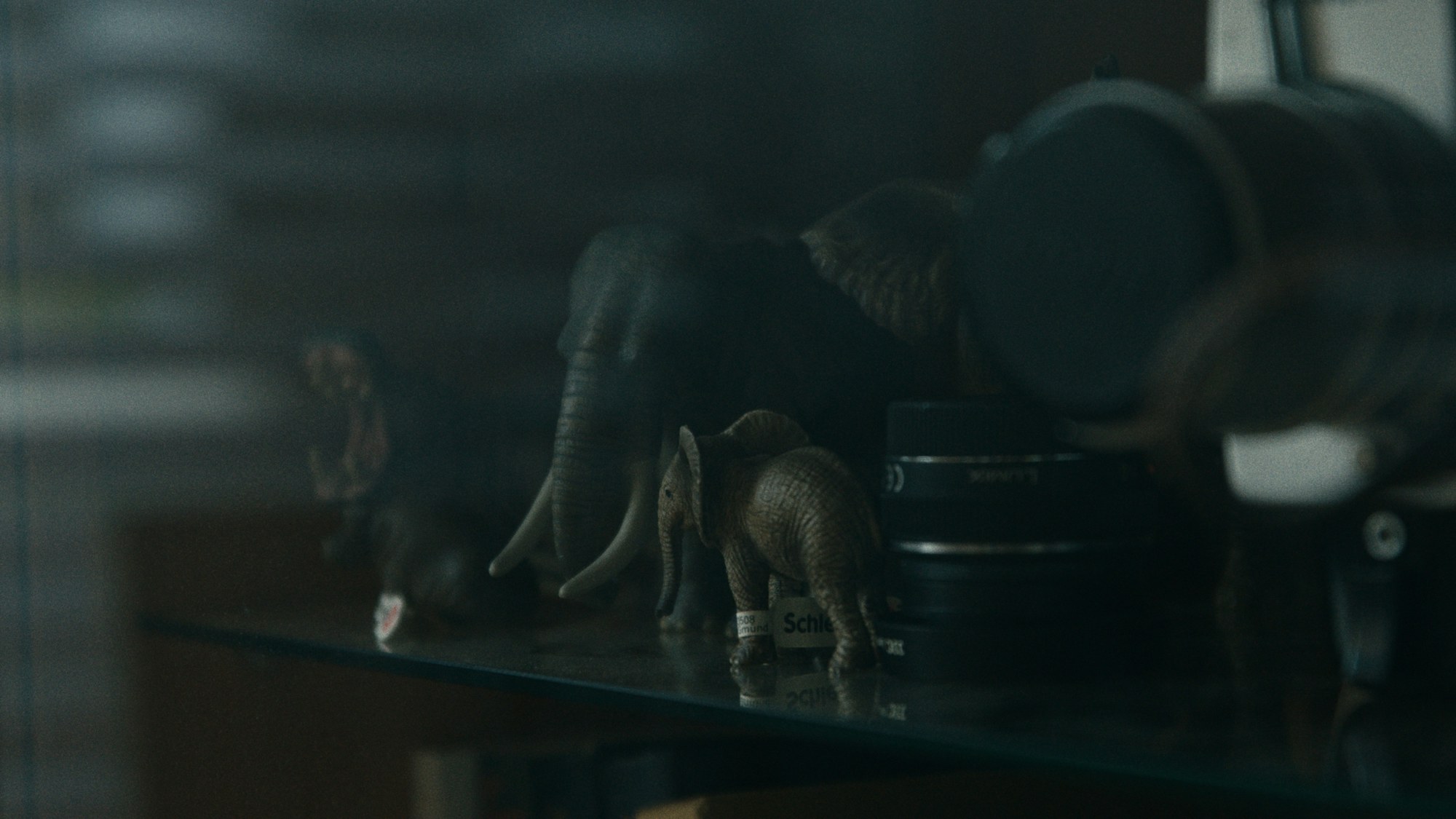
When I was a child, I attended Sunday school at a Christian church, and I grew up exposed to the values of the Bible. When I started my business, I wanted to cherish those values, aiming to incorporate timelessness and permanence into my furniture. I think that desire to create things that last stems from the influence of Christian teachings.
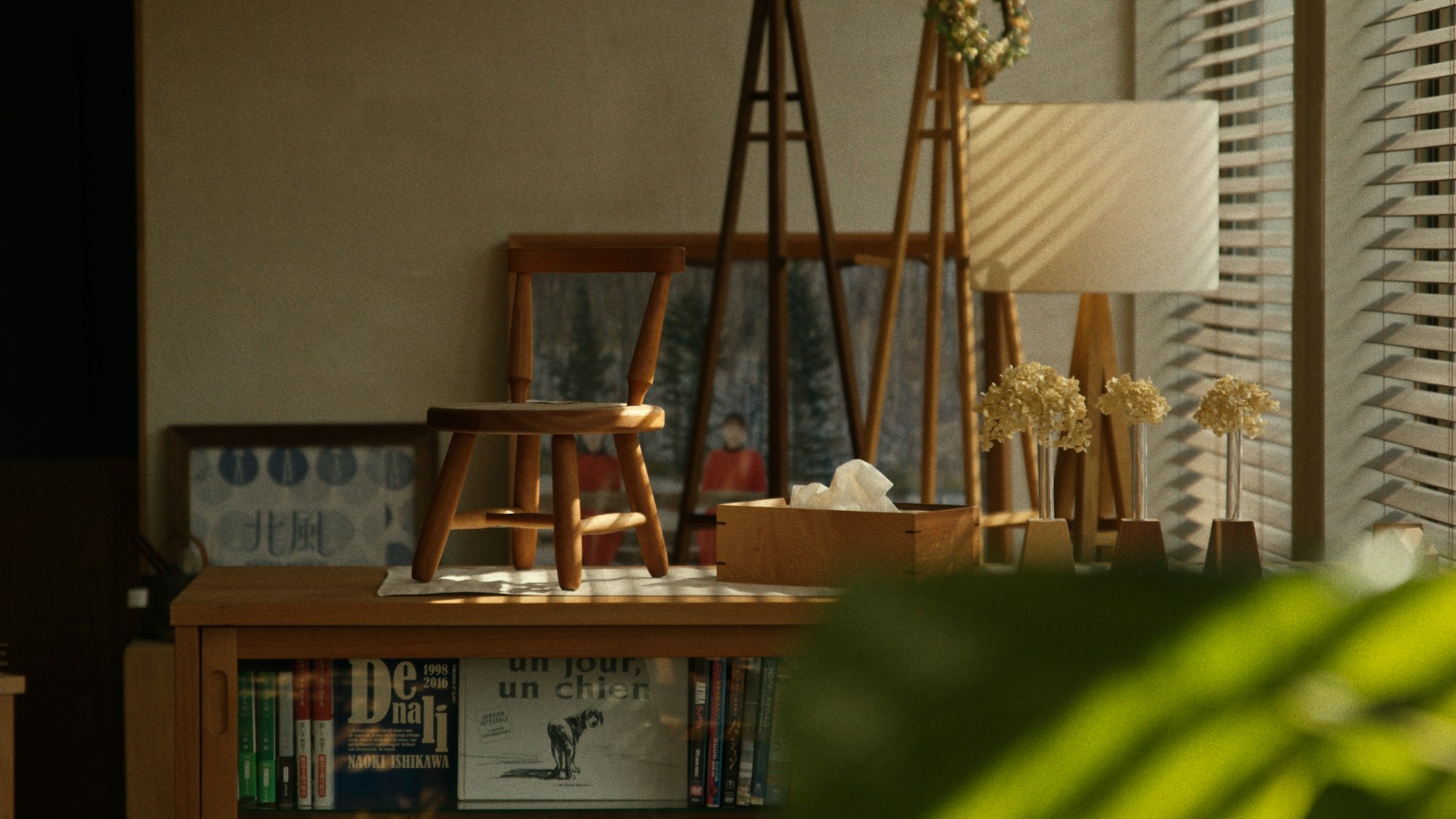
In connection to that, I’ve always loved Snoopy. I learned that Charles Schulz, the creator of Snoopy, modeled the character after Christ, which deeply resonated with me. Perhaps it’s also my personality, but having grown up in a cold climate, I’ve always wanted to make things that carry a sense of warmth. I focus on creating furniture that feels warm and comforting, not sharp-edged or overly modern. I aim for designs that have a soft, welcoming atmosphere.

The Interior Culture of Sapporo
Some clients come to me with a clear idea of what they want, and I work to fulfill those requests. For clients who don’t have a clear image but know they want something, I do a consultation helping them figure out what fits their space. From the first consultation to the final delivery, I create with the client’s lifestyle in mind.
That said, Nitori, a major furniture company, is very strong in Sapporo. Many people tend to buy cheap, simple furniture, so there’s certainly a barrier to custom-made furniture. Even though winters are long here, and people spend a lot of time indoors, they don’t often invest in their interiors. It’s a shame that there isn’t a culture of spending on creating comfortable living environments.
Motorcycling and Reading
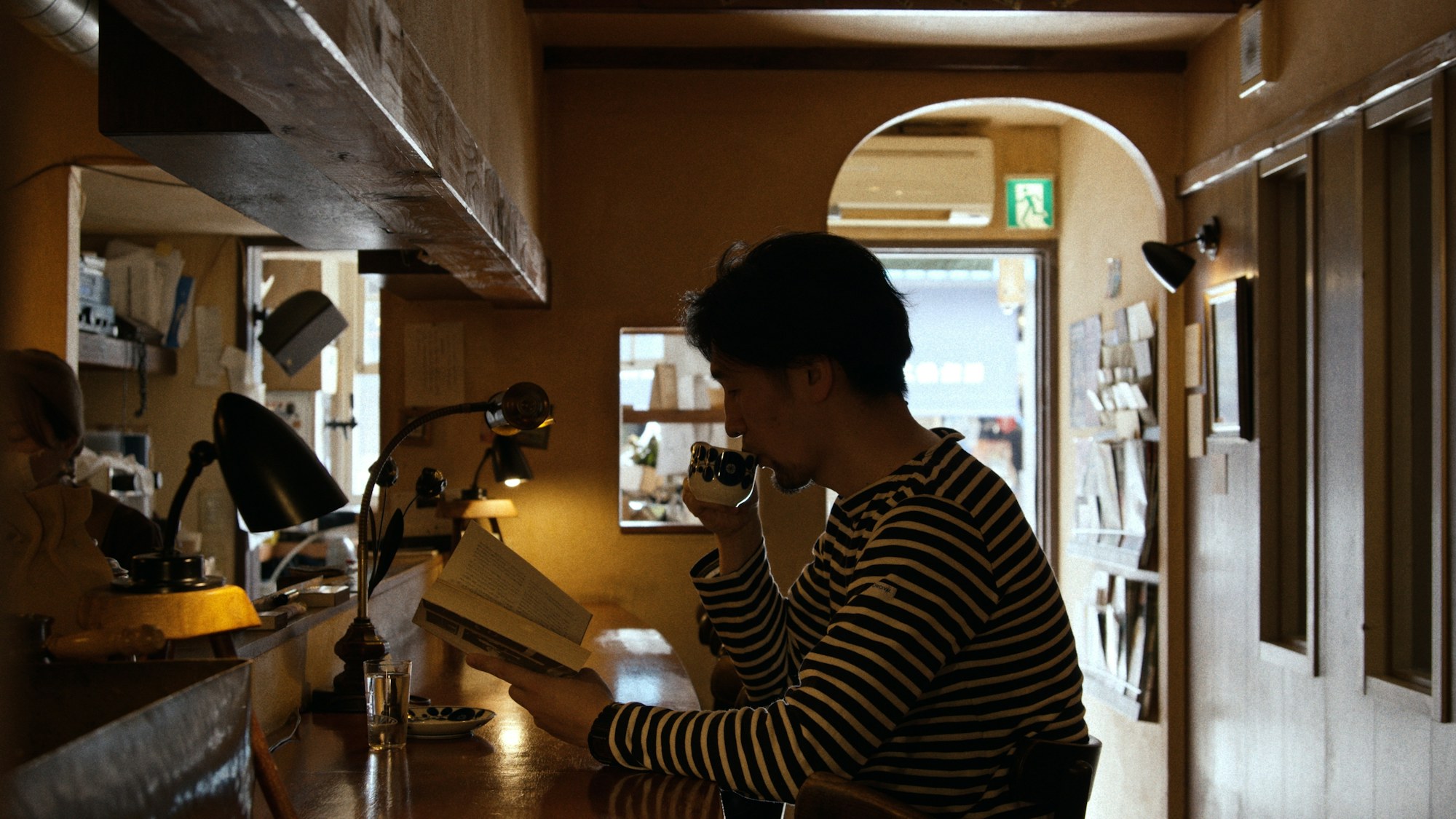
Making furniture is a work of outputting. So there are times when I feel like I’m out of energy or I’ve run dry. In those moments, I find that reading quietly helps me recharge, as it serves as an input activity that allows me to take things in.
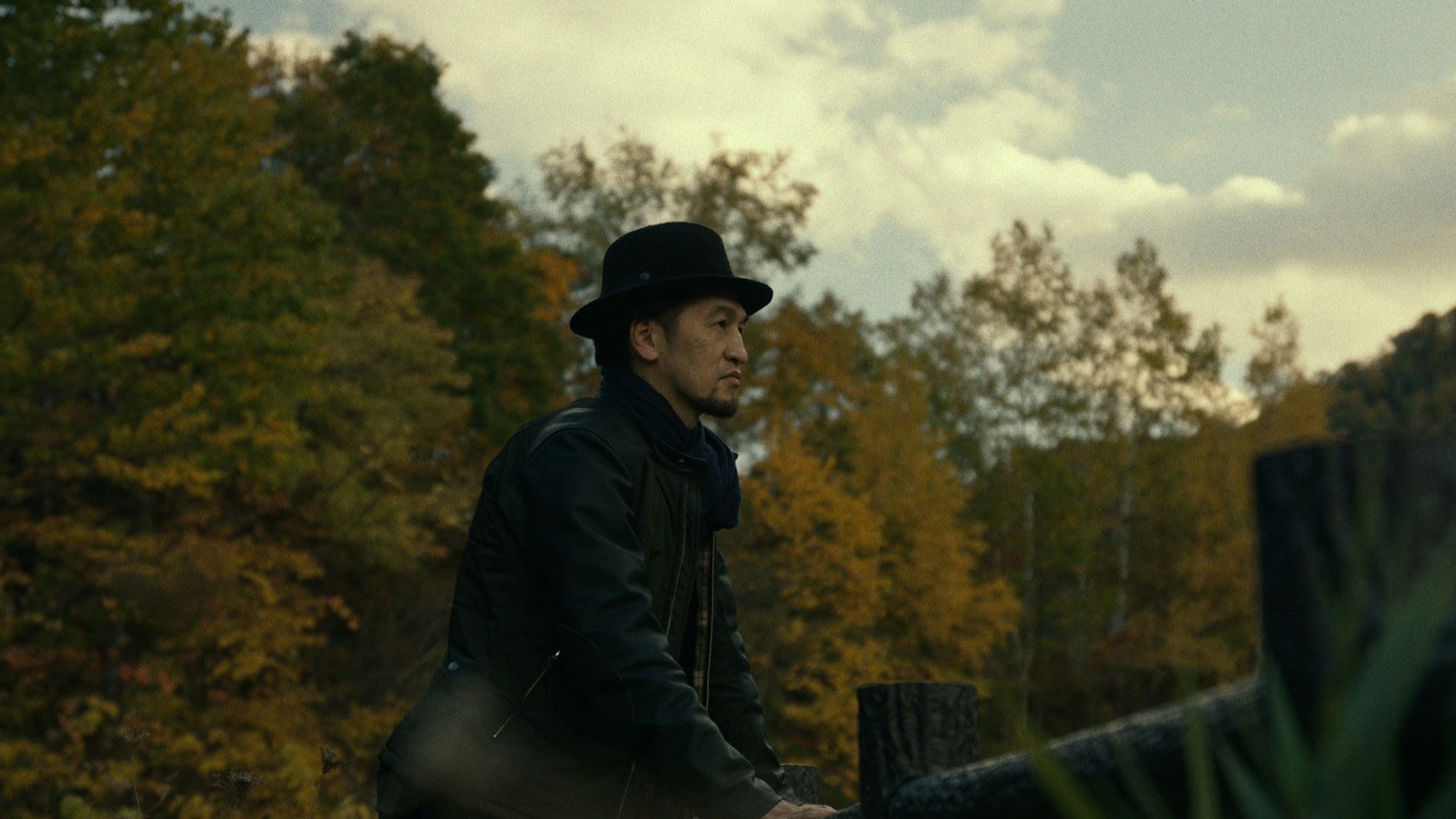
I also enjoy riding motorcycles because I like the feeling of controlling the bike and feeling the air get colder on your skin as you drive further. When I have work to do, I try not to indulge too much, but when I’m not pressed for time, I go for rides to refresh myself.

Being Faithful and Diligent
I named my brand “Kitakaze Works” after the North Wind from Aesop’s fable “The North Wind and the Sun.” In the fable, the North Wind is portrayed as a villain, but I wanted the name to reflect a commitment to honesty and diligence. Though the word “north wind” carries a cold connotation, I aim to focus on the warmth within—the faithfulness and perseverance. I want to continue creating good furniture and staying true to myself.
Director, DP : Tetsuya Uesugi Assistant Director : Masashi Sogawa, Megumi Sunako Sound Mixing : Tsuyoshi Sakado
Shinichiro Umehara
Born in Sapporo, Hokkaido. After majoring in architecture at university and gaining a wide range of experience from furniture sales to manufacturing, Umehara founded 'Kitakaze Works' in 2012. Currently, he personally creates wooden furniture and participates in interior markets and woodworking exhibitions, where he showcases and sells his work.

