

A Family of Potters
I was born and raised in Shigaraki, Koka City, Shiga Prefecture, which is famous for Shigaraki ware, a style of stoneware pottery. It's far from Lake Biwa, located at the southernmost tip of the prefecture, near the border. I stayed there until I was 18. People say Hokkaido is rural, but compared to Shigaraki, Sapporo is a big city. In Shigaraki, the train only runs once an hour; it's truly in the mountains.
It's a town famous for pottery, where it seems there are more tanuki figurines than people. My family runs a kiln, and both my grandfather and father are potters. I grew up in an environment where many people around me were potters or artists.
When I was young, I didn’t really want to become a potter because it felt too rural and old-fashioned. However, when I was in middle school, my father made a handle out of clay and glued it to a Heineken beer can, presenting it as an art piece. He made similar pieces using Budweiser and other beer brands, creating these beer mugs. I remember thinking “Is this what design is?” It was a different approach from the traditional craft-focused pottery, where you anticipate how others will perceive your work. I think that’s when I found it kind of interesting.
The Move to Hokkaido
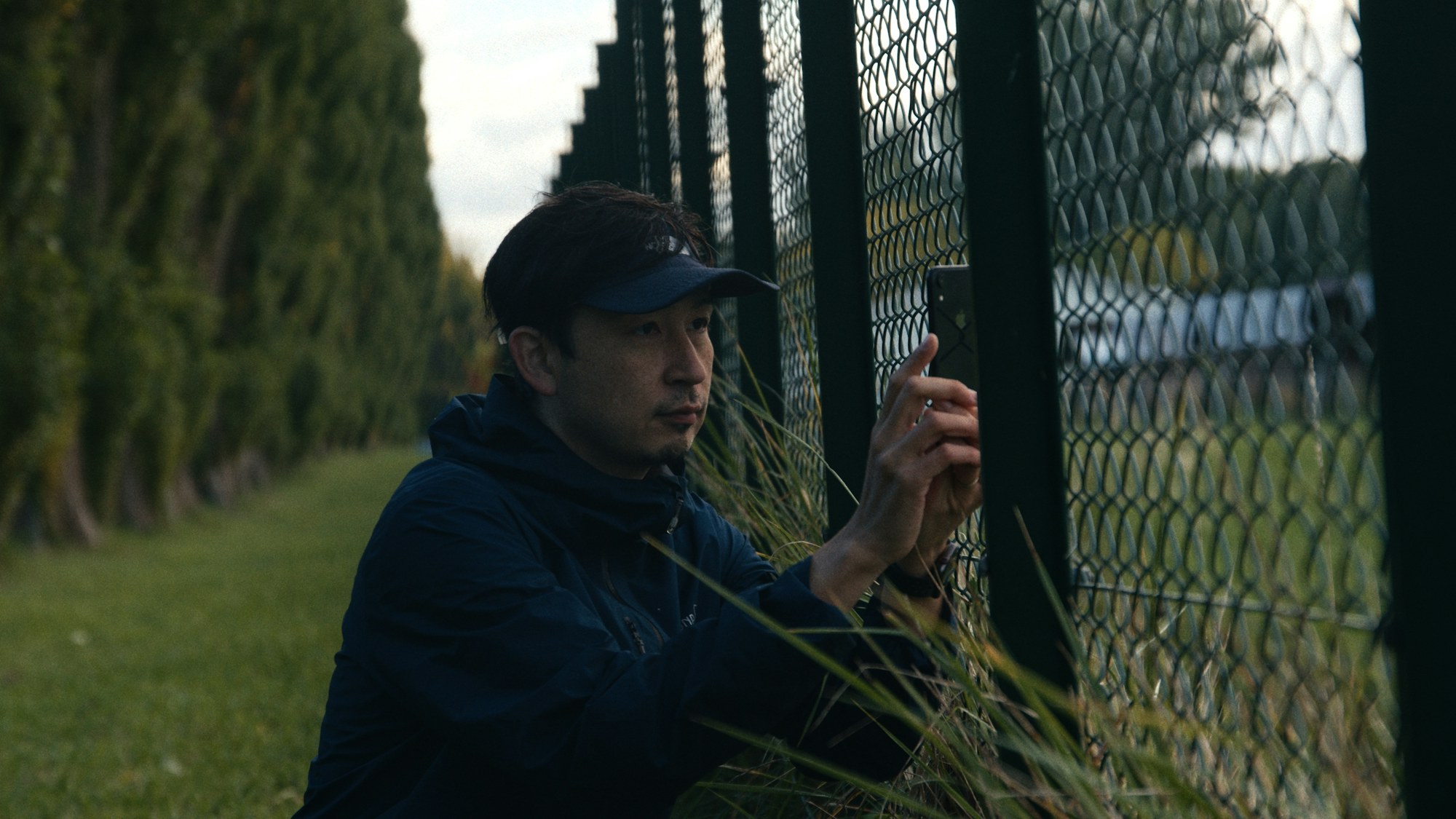
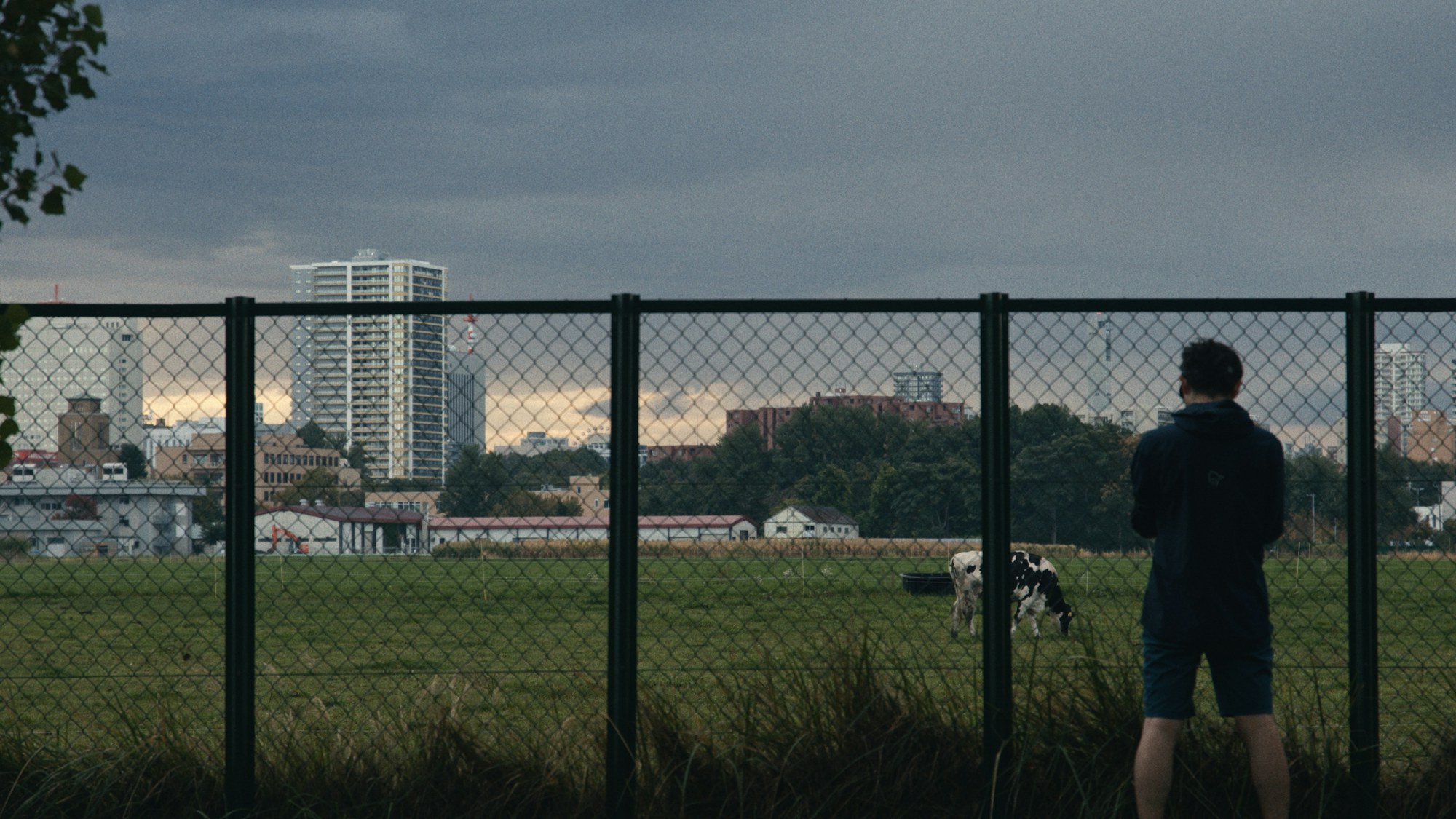
I came to Hokkaido without giving it much thought—just a youthful impulse. There's this subtle rivalry between Kansai (southern-central Japan) and Tokyo, so I wanted to go somewhere other than Tokyo. I wanted to go far, either north or south. That meant choosing between a hot or cold climate. I chose Hokkaido, because the cold climate meant I got to ski. I also considered going abroad, but ultimately, I entered the School of International Cultural Studies at Tokai University.
The exam venue was in Osaka, so the first time I actually visited Hokkaido was when I was signing the lease for my apartment. This was around February in the winter, and I was shocked at how fast the taxis drove, even over snow! I was very excited to start living in a town with so much snow.
Starting Design
In high school, I went to art classes and during university, I would design menus for the hair salon I went to, or flyers for my friends' club events. I had a desire to design from a younger age. However, as a student I was more focused on international experiences, particularly studying abroad in Sweden. When it came time for job hunting in my third year of university, the idea of having to be evaluated and choosing a single company to work for didn’t sit well with me. That’s when I became aware of my own individuality and decided I really wanted to try design as a career. After researching schools, I enrolled in Sapporo's long-established Zohei Design Vocational School, founded by Kenichi Kuriyagawa, who had been involved in the design for the Sapporo Olympics.
During the two years of study, I felt that just attending classes and doing assignments wasn’t enough. So I created a portfolio, met people, and started getting small jobs. I did about 100 projects in those two years. Anything from flyers for club events, live shows, and mail for apparel shops and salons.
My first job at a design firm came about because an art director who was starting his own firm, after working at the top production company in Sapporo, was looking for people. I was invited to join even before graduation. After spending two and a half years at that production company, I went independent at 27. I didn’t have any clients when I started, and despite my limited experience, I boldly wrote “Art Director” on my business cards. It was tough at first with no work at all.
Work that Changes Clients' Lives
It varies case by case, but for branding projects, I begin by discussing the current state of the company or brand with the client. We identify the issues and think together about what needs to be done. It's not design-first; it’s about figuring out what’s necessary. Design is a powerful tool for changing a brand, and if you approach it the right way, you can significantly impact results. That’s what I believe.
The size of the client or project isn’t important. What matters to me is maintaining close communication with the client and ensuring the design reaches the end user. Whether it can change the client's future or life is what’s important to me.
In advertising, it was exciting to work with large companies and be part of massive projects involving many people. There’s one time I got to set off a grand fireworks display. But now, I feel like I'm changing people's lives bit by bit with my work. The idea that design can improve someone’s future is incredibly fulfilling.
Designing in Sapporo
I had a strong desire to pursue design, but I didn’t choose Tokyo. Maybe there’s a bit of Kansai’s competitive spirit at play, but now I feel there’s something in places like Hokkaido that isn’t in Tokyo. I did consider moving to Tokyo, but I was encouraged by the seniors who were thriving in Sapporo, so I chose to stay. I had also built a community here, and I felt I could make it without leaving Hokkaido.
There’s a ski resort just 15 minutes by car from the city center, the food is great, and nature is nearby. Some friends start their day by carving a single line down an untouched snow slope before anything else. The skiers are not all young either. The richness of the lifestyle here is just different—no crowded trains, no traffic jams. Nowadays, I don’t think it’s that cool to be an overworked designer locked away in a small office, competing with others. That image just doesn’t appeal to me anymore.
There’s a bit of a Nordic mindset here. A friend of mine once asked, “Wait, you can’t eat dinner with your family? That’s sad.” That kind of work-life balance seems uncool. It makes you question whether overworking is really worth it. In Sapporo and Hokkaido, I can rent a huge space to work in, live luxuriously, and enjoy camping or hiking on my days off. It’s incredible to have an environment where those things come so naturally.
Japan and Sweden
I studied abroad in Sweden during my first and second years of university, and there were many differences between the two countries. For one, there are mostly no “working poor (working people whose incomes fall below a given poverty line due to low-income jobs)” in Sweden, and my friends all had a 9-to-5 job and maintained their work-life balance.
People in creative jobs, like designers, work relatively long hours, but you don’t see many people working in the exploitative way that’s common in Japan.
The people in Sweden and Northern Europe are generally laid-back. “Wealth” might be too simple a term, but there’s a basic sense of security that feels different. Their welfare system and social structures are robust, giving people a sense of ease. With high transparency in their politics and social systems, people understand the high taxes and how they are reinvested into society. Everyone can live comfortably, and the government is there to support them when needed. There’s a real sense of fairness in that.
The Dream of Building a Hotel in Sweden
Looking ahead, my dream is to buy an old summer house in rural Sweden and spend two months there each year. I’d need to visit at least twice a year to maintain it. I also plan to give the keys to my staff and friends so they can use it as a vacation home.
Ultimately, I want to buy a 10,000-tsubo (about 8 acres) plot of wilderness or a mountain, build a house, create a community, grow crops, and eventually open a hotel.
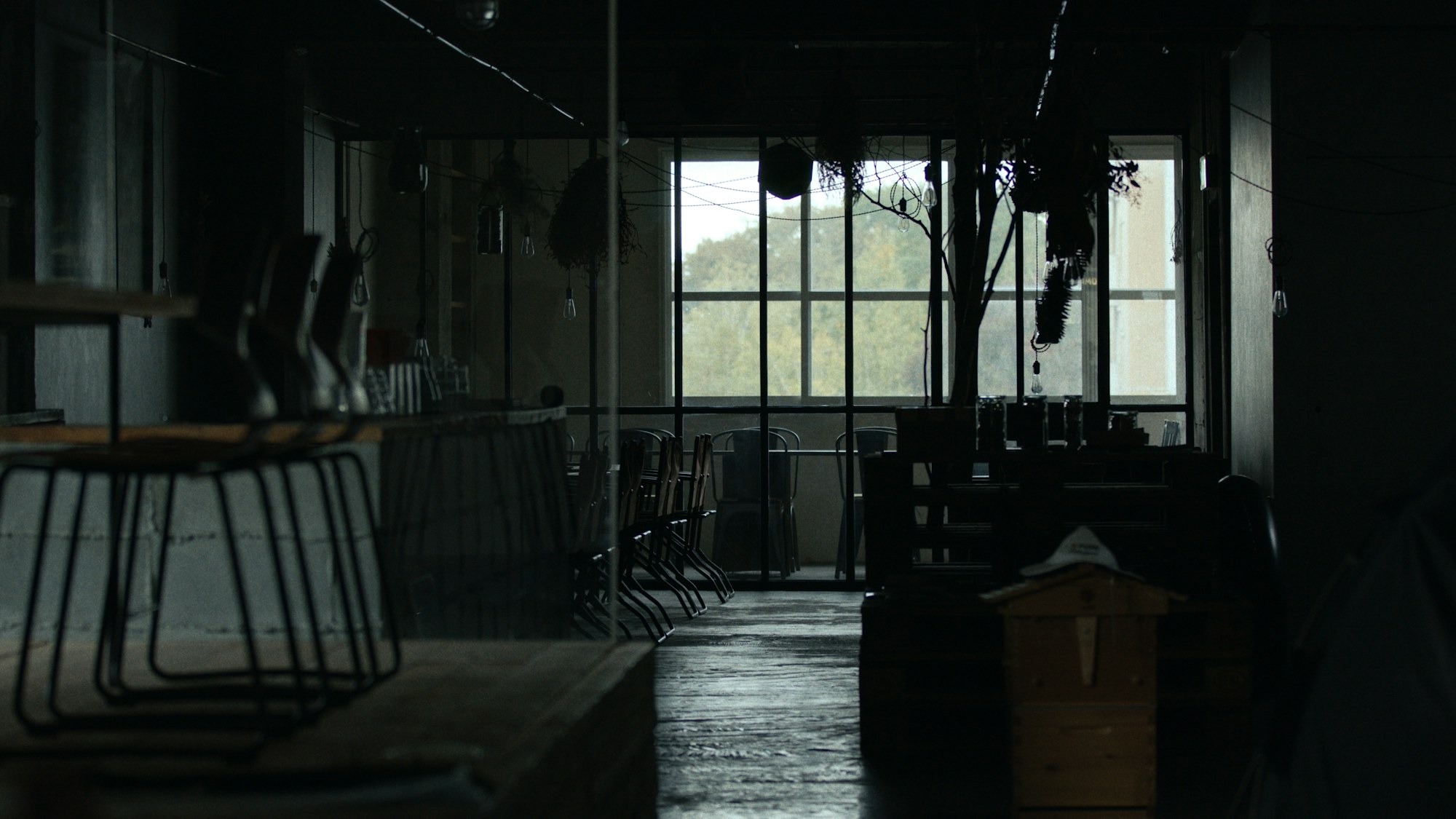
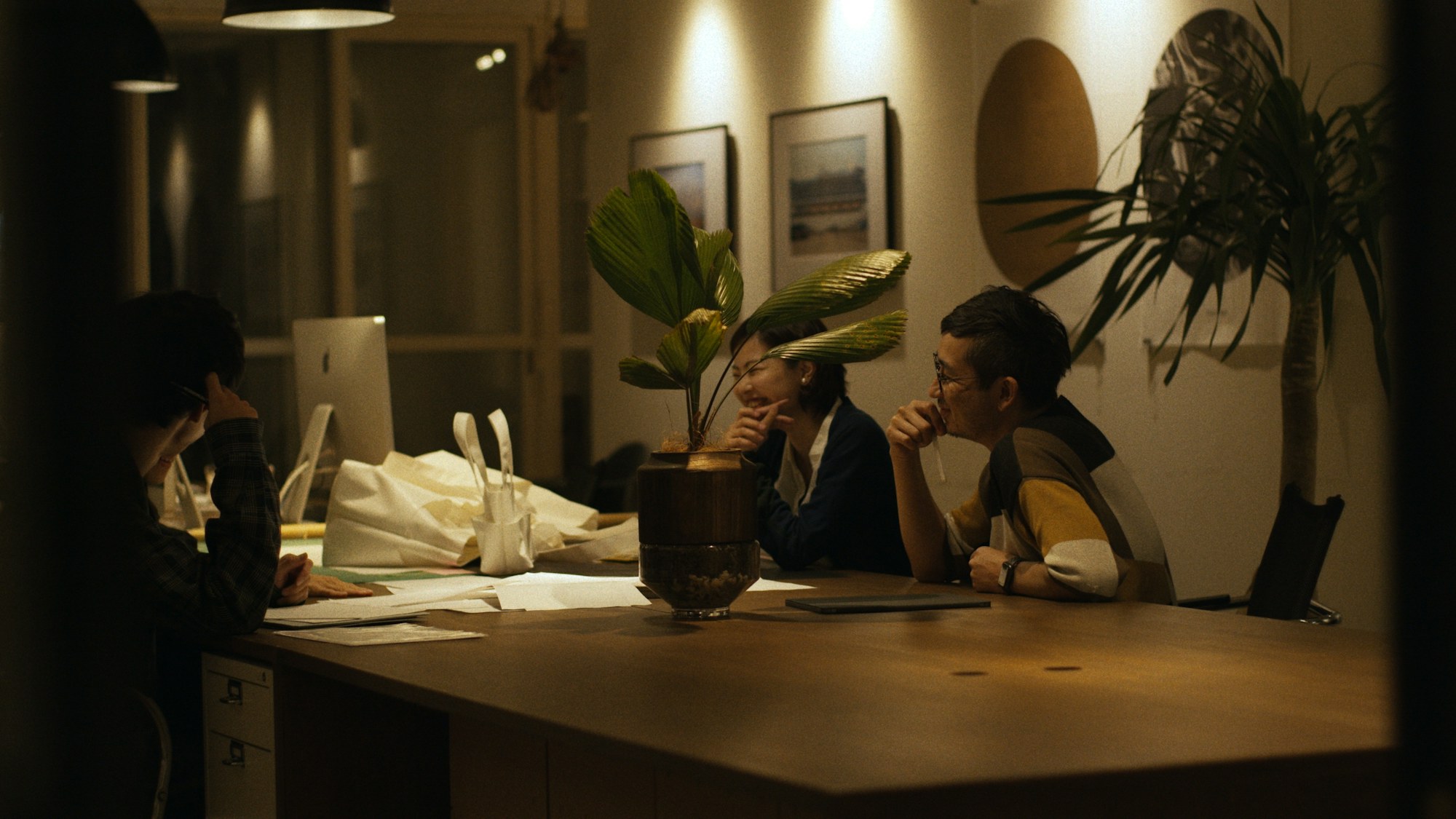
It’s not about quitting my current job to live in isolation in the mountains, but about creating something that feeds back into my work and life. The event space and off-grid café I run now are also filled with collaborations. For instance, the sofa’s leather was made by a local craftsman, and the design uses pallets shipped in from afar. Almost everything here is handmade by people I know. It’s all about those connections—turning coincidences and relationships into something tangible, and that’s what makes this place (MEET. and PHYSICAL) so perfect.
Director, DP : Tetsuya Uesugi Assistant Director : Masashi Sogawa, Megumi Sunako Sound Mixing : Tsuyoshi Sakado
Ryo Ueda
Born in Shigaraki, Shiga Prefecture, Ueda leads the creative collective "COMMUNE" based in Sapporo. He supports brand building through visual identity design for clients. Within the studio, he also spearheads original projects like the lifestyle shop "WONDERING" and coffee stand "YETI STANDING." For over a decade, Ueda has spent one month annually in Sweden, infusing COMMUNE with fresh perspectives and inspiration.

