

The Town’s Light: "Poppoya"
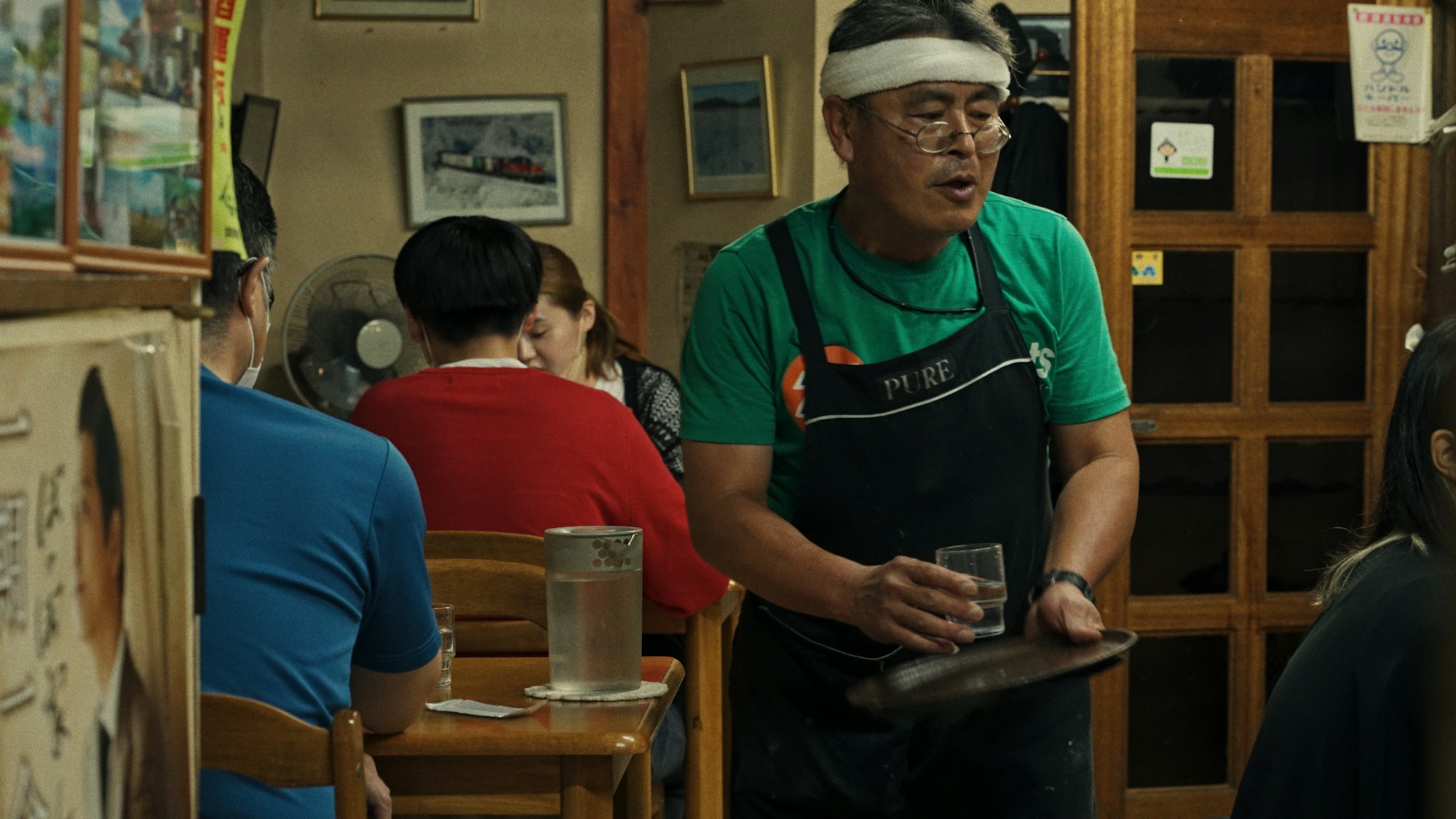
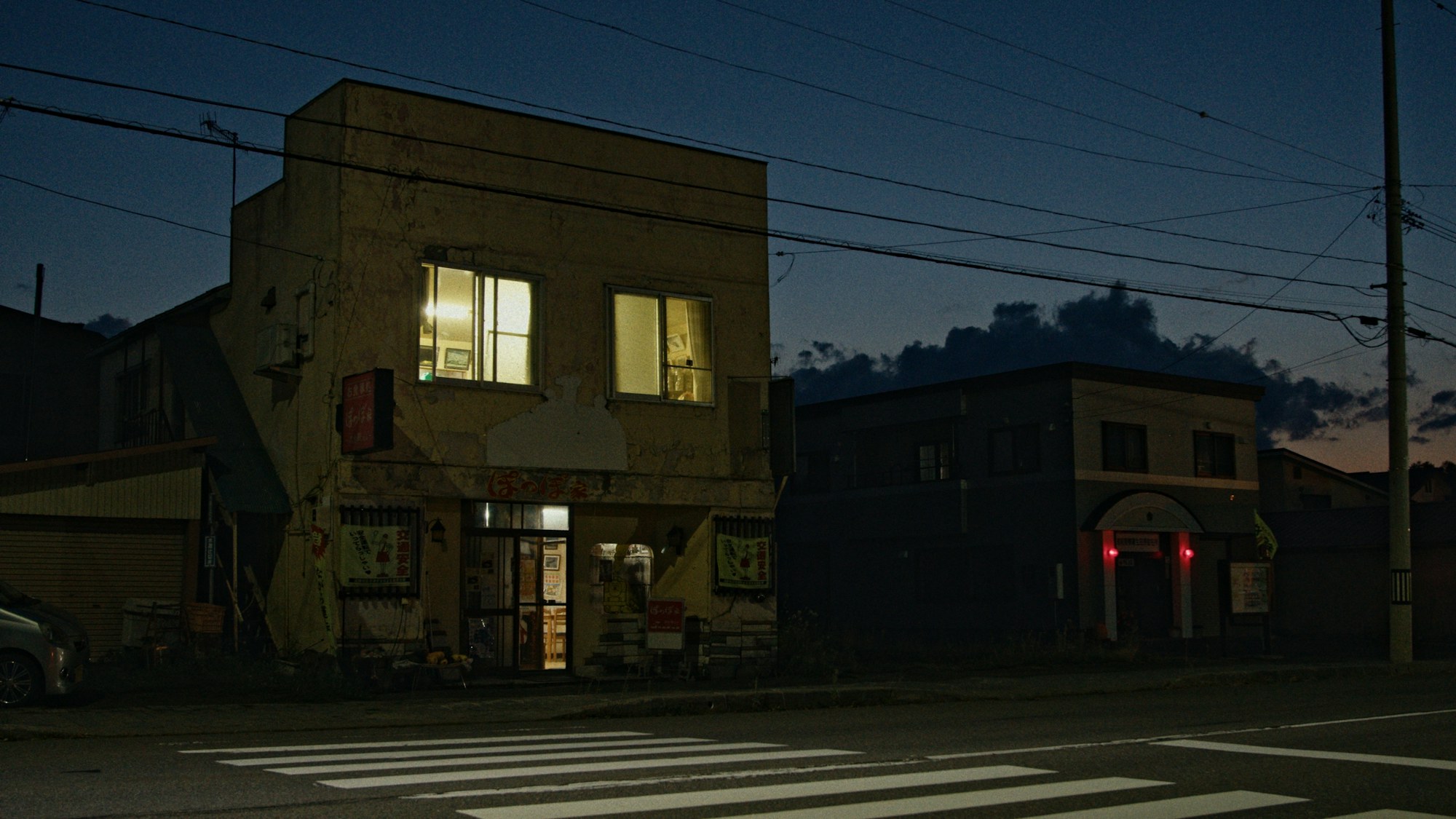
People often tell me that, despite how dark the national highway gets at night, the glow from my restaurant's sign brightens up the area and keeps the town from feeling so lonely. In this era of depopulation, I often hear people say, “Your restaurant lights up the town,” which makes me happy. Whether it’s women, men, or the elderly, it seems to bring them joy. I hope, in some small way, that I’ve been able to contribute to the community.
When I first came to Ikutahara, I worked in the dining section of the North King Hotel. After 10 years, I decided to step out on my own. There wasn’t a single restaurant or pub in town back then, so I wanted to create a place where everyone could gather—a little spot where people could feel at home. That’s how "Poppoya" came to be.
I also wanted to give back to the townspeople and the hotel staff who had supported me over the years.
Culture Shock and the Charm of Hokkaido
I originally came here from Kyoto.
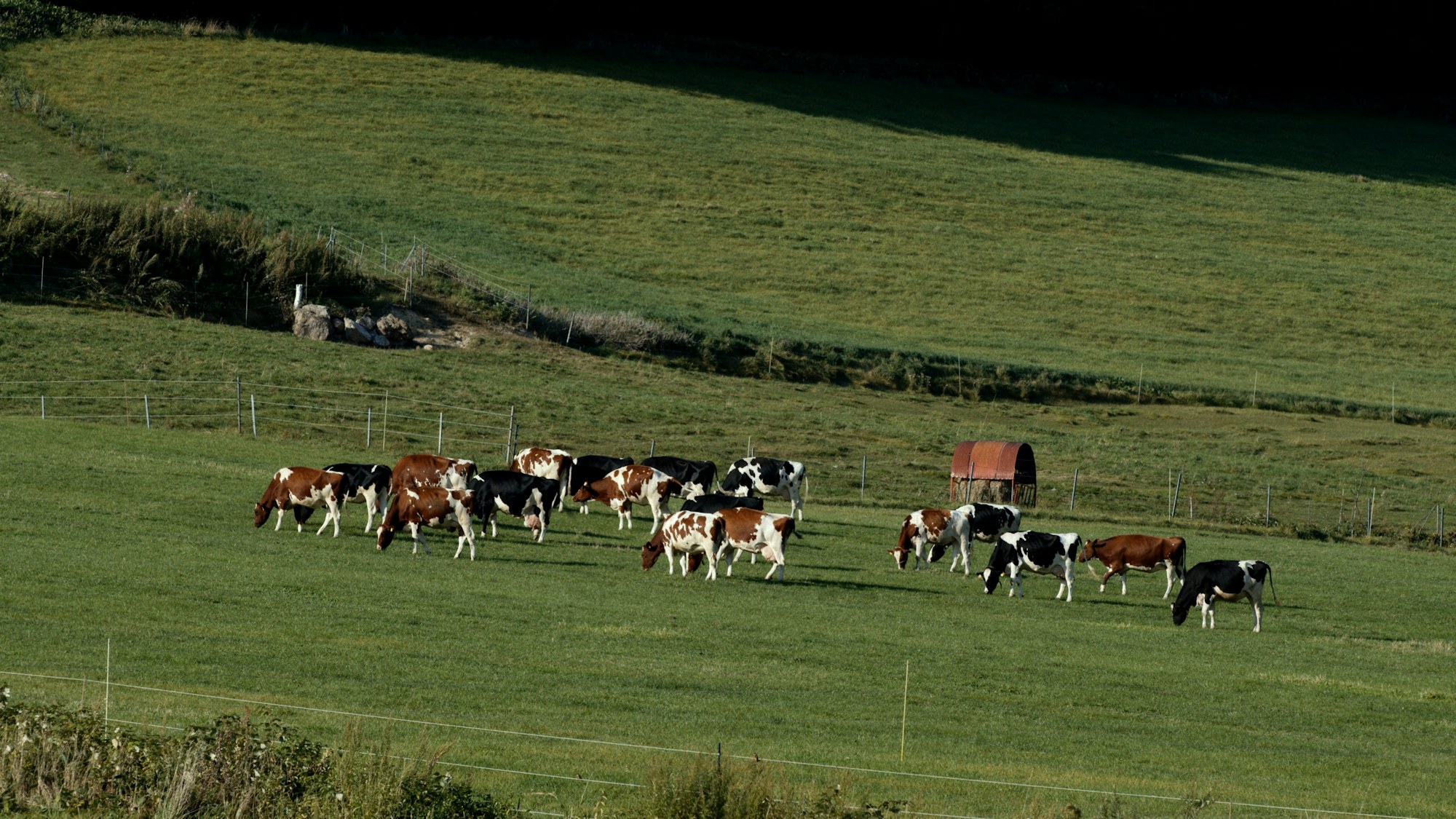
I was initially aiming to become a teacher, but I saw an ad for a dairy farming internship in Nakashibetsu through the agricultural cooperative, and I decided to try something different.
Right after university, I worked part-time at a pickle shop near Sanzen-in Temple in Kyoto just to save enough money for the plane ticket to Hokkaido. Once here, I was knee-deep in mud and cow manure, milking around 50 to 60 cows and planting potato seeds from morning to night. Honestly, we hardly had any days off.
I experienced major culture shock. Back in Kyoto, everything I needed was within a 5 or 10-minute bike ride, so it was very convenient. Here, shopping options were limited, and just getting to the neighboring town took a 20-minute drive.
I was also amazed by how delicious the seafood was here.
While I was working on that farm, I became close with a local grandma. We’d travel around exchanging scallops or fish for potatoes and pumpkins with her friends in Nemuro.
In Kyoto, I could hardly eat things like oysters, scallops, salmon roe, or sea urchin. The freshness just wasn’t there. But after coming here and being introduced to live, fresh seafood by locals, I discovered how delicious it could be. I fell in love with it. Honestly, when the air and water are clean, everything just tastes better.
The Challenges of the Pandemic
Without the support of the locals, I wouldn’t have been able to keep going. I’m truly grateful. During the pandemic, there were moments when I seriously thought about closing down. The elderly customers who had been coming for years stopped coming altogether. People started eating and drinking at home, which became the norm.
Previously, hotel guests would come in for a second round of drinks, but with the pandemic, that all came to a sudden halt. It was tough—so tough I almost ended up with bald patches from the stress.
If it weren’t for government subsidies, I would’ve closed up shop. Thanks to that support, I was able to make payments and purchase some supplies. But in the end, I used up most of my retirement savings within those two years. Now, I’m practically broke and wondering how I’m going to recover.
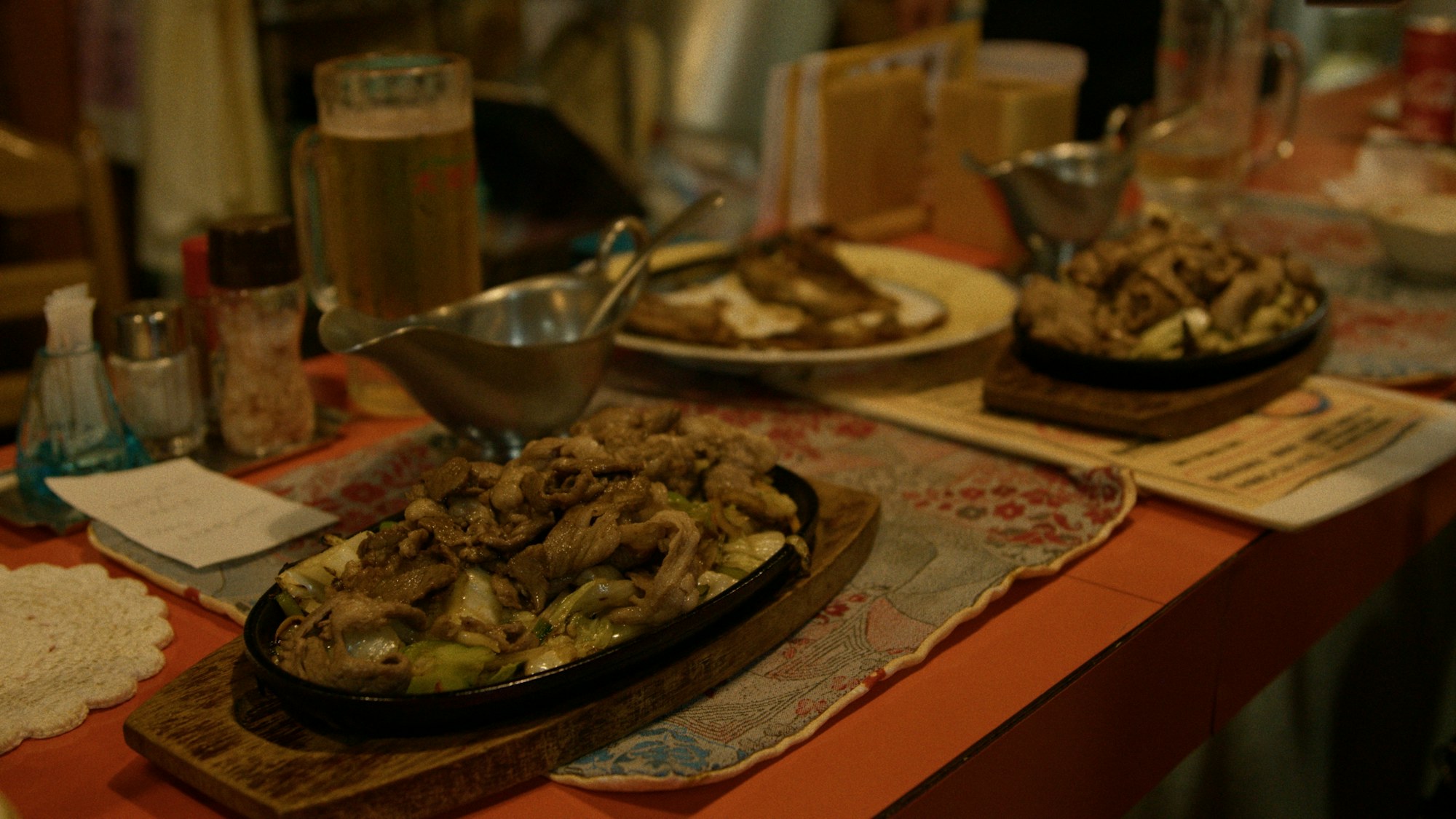
We’ve also had to face the issue of price increases. I hadn’t raised prices since the early Heisei era (around 1989), but the cost of ingredients has been steadily rising. The cooking oil we use in the fryer has almost doubled in price. I reluctantly raised prices last year to keep the business afloat, even though our sales aren’t particularly high.

The Aging Population of Ikutahara
I may not look it, but I’m already 61. I hope to live another 20 years, but who knows? Looking at Ikutahara in the next 5 to 10 years, it’s probably going to be tough. I worry that with the new road leading people straight to Memanbetsu, Ikutahara will be left behind as just another pass-through town.
When I first came here, there was so much enthusiasm. We even started the “Ikutahara Treasure Hunt Association” to promote tourism. We organized events like fishing for rainbow trout, cooking them at the restaurant, crafting wooden toys at the toy museum, holding wild vegetable parties in spring, firefly viewings in summer, and mushroom tours in autumn. We tried to spread the excitement from Ikutahara to nearby towns like Yasukuni and Engaru, but it all sort of faded away over time.
The biggest challenge is the aging population. There are only a handful of young people left here.
Sometimes, it feels like this town will eventually be left with nothing but foxes, raccoons, deer, and bears. To prevent that, we need to figure out how to attract young people. Without that, there’s no future.
Back in the day, I was full of passion, but now I’ve reached a point of resignation. Honestly, it’s a bit scary. I don’t want to give up, but it’s tough.

Running on Fun, Not Profit
What really matters to me is hearing people say, “I’m so glad I got to eat here, it was delicious.” That’s the most rewarding thing. The trick is not to get greedy. If you keep putting out good food consistently, you’ll naturally build connections.
Lately, we’ve been getting families from Kitami and Engaru. Since we’re on the national highway, we get visitors who’ve been curious about our place and finally stop by. We try to offer a little extra to those customers so they’ll want to come back. It’s all about building relationships and getting repeat visitors.
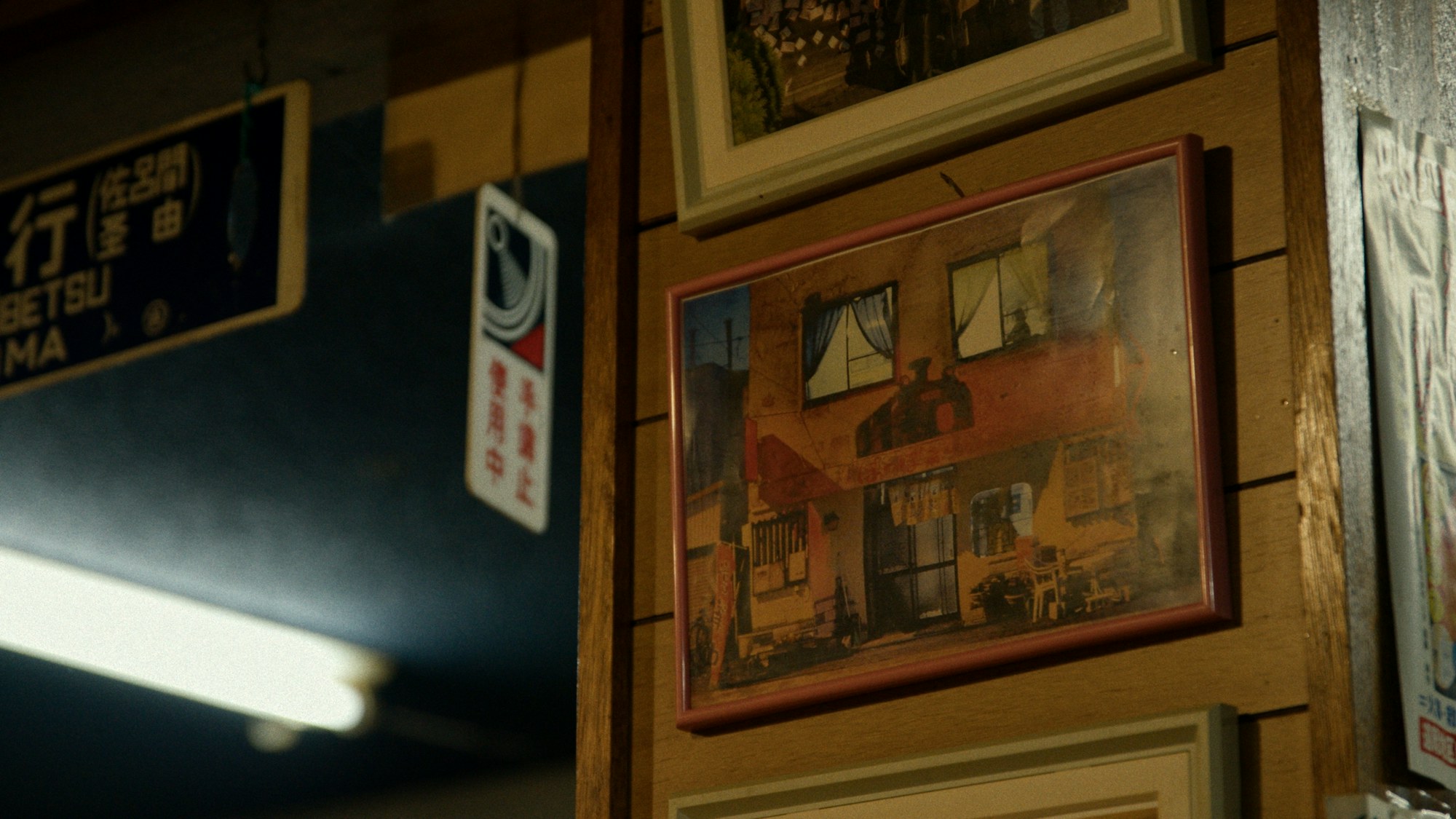
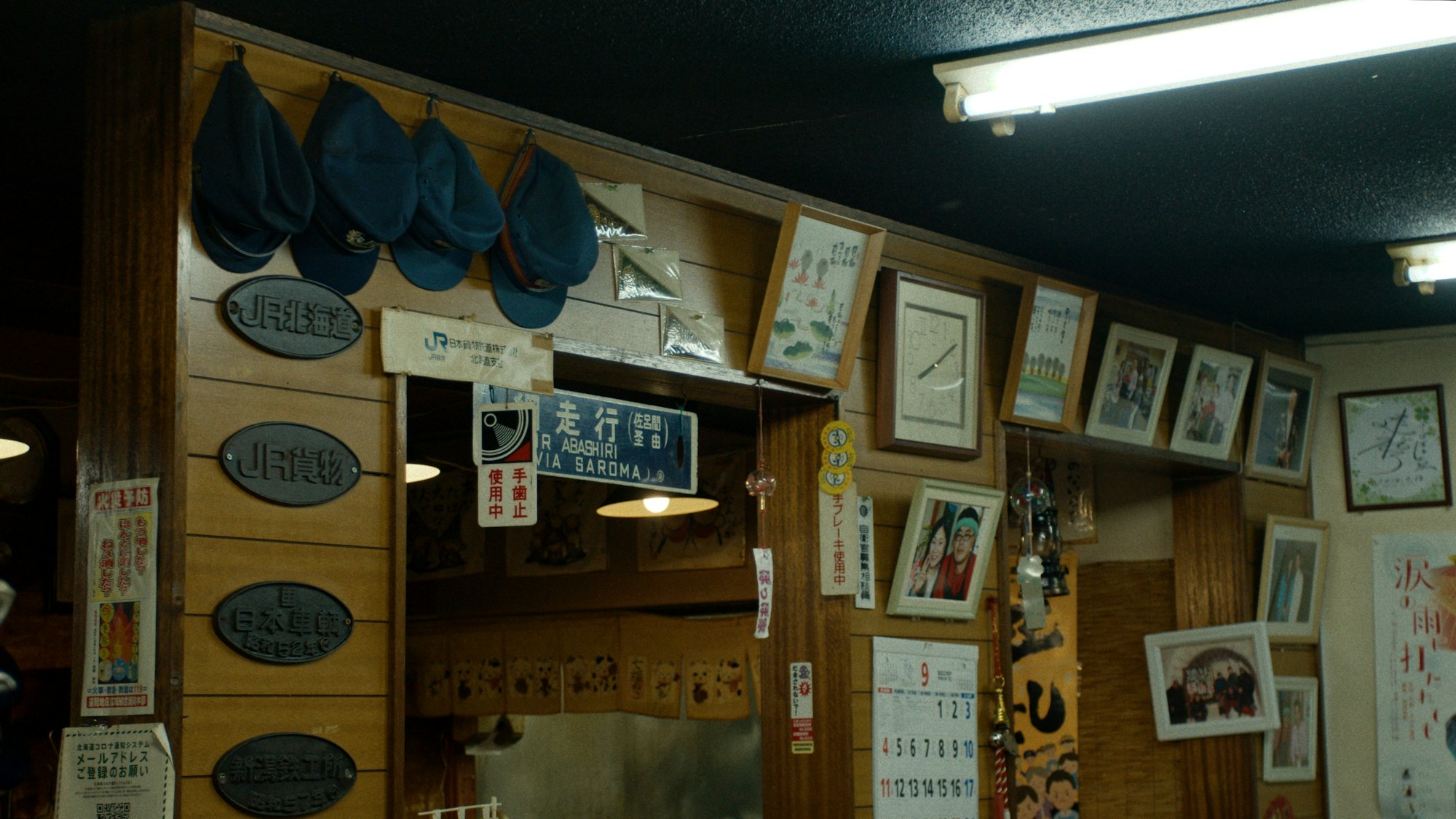
Sometimes, elderly couples who used to work for Japan National Railways come in and bring old memorabilia, asking us to display it. It’s those kinds of connections that I treasure.
My kids are all grown up, and I have grandkids now. I’m at a point where I just want to enjoy life. I don’t want to stress over things too much—I want to take it easy. I’m focusing on having fun rather than making money.
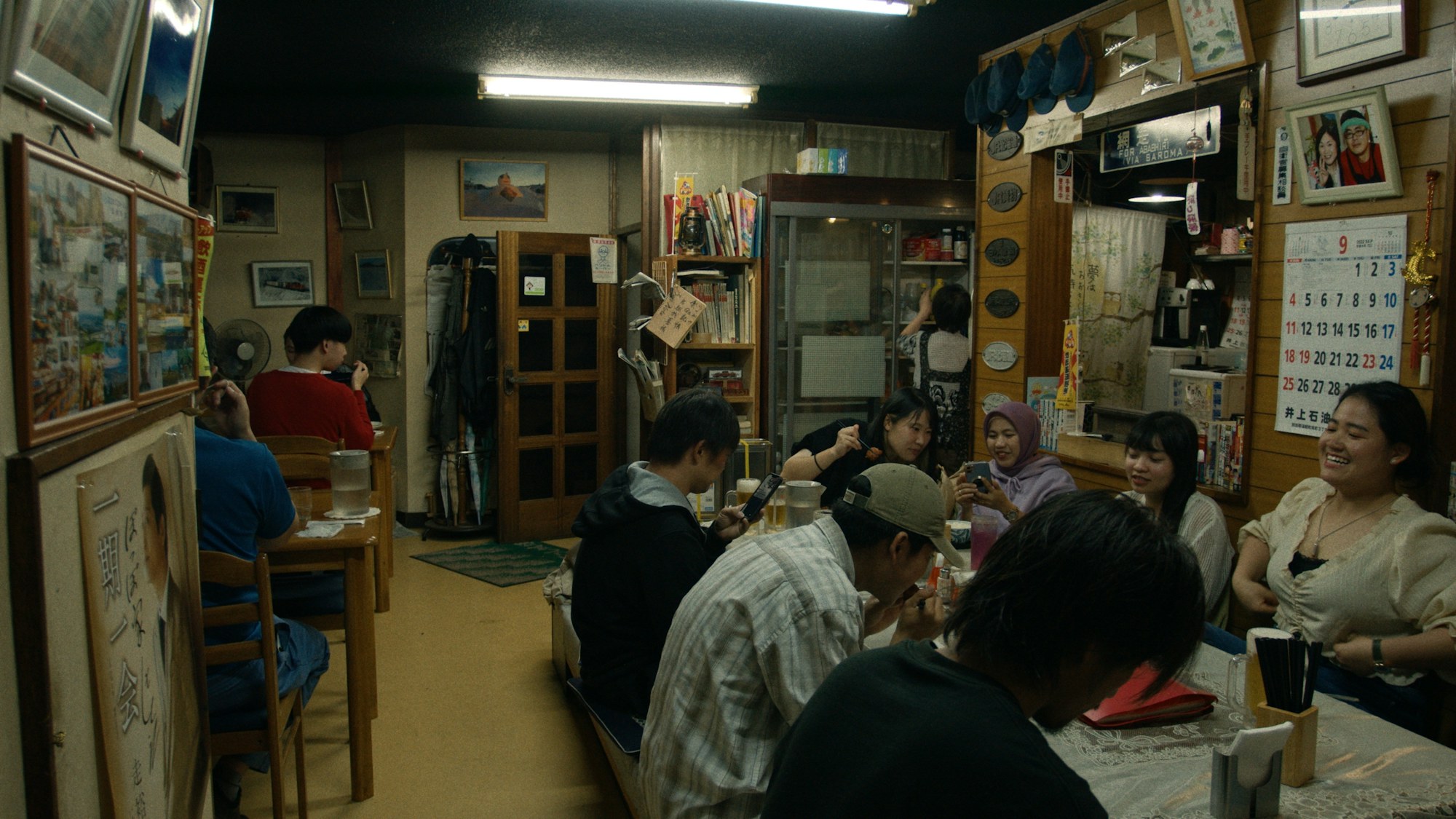
We have friendly and chatty staff, making the atmosphere casual and welcoming. The ladies here are bright, friendly, and well-connected. We have about 35 tatami mats’ worth of space. I hope that when customers see all the smiles here, they’ll leave with a smile too. The manager, Shimizu, can be a bit difficult, but he’s part of the charm.
Please look forward to what’s to come. I’m all fired up for next year, though I’m not sure about the year after that. I’ll just go with the flow.
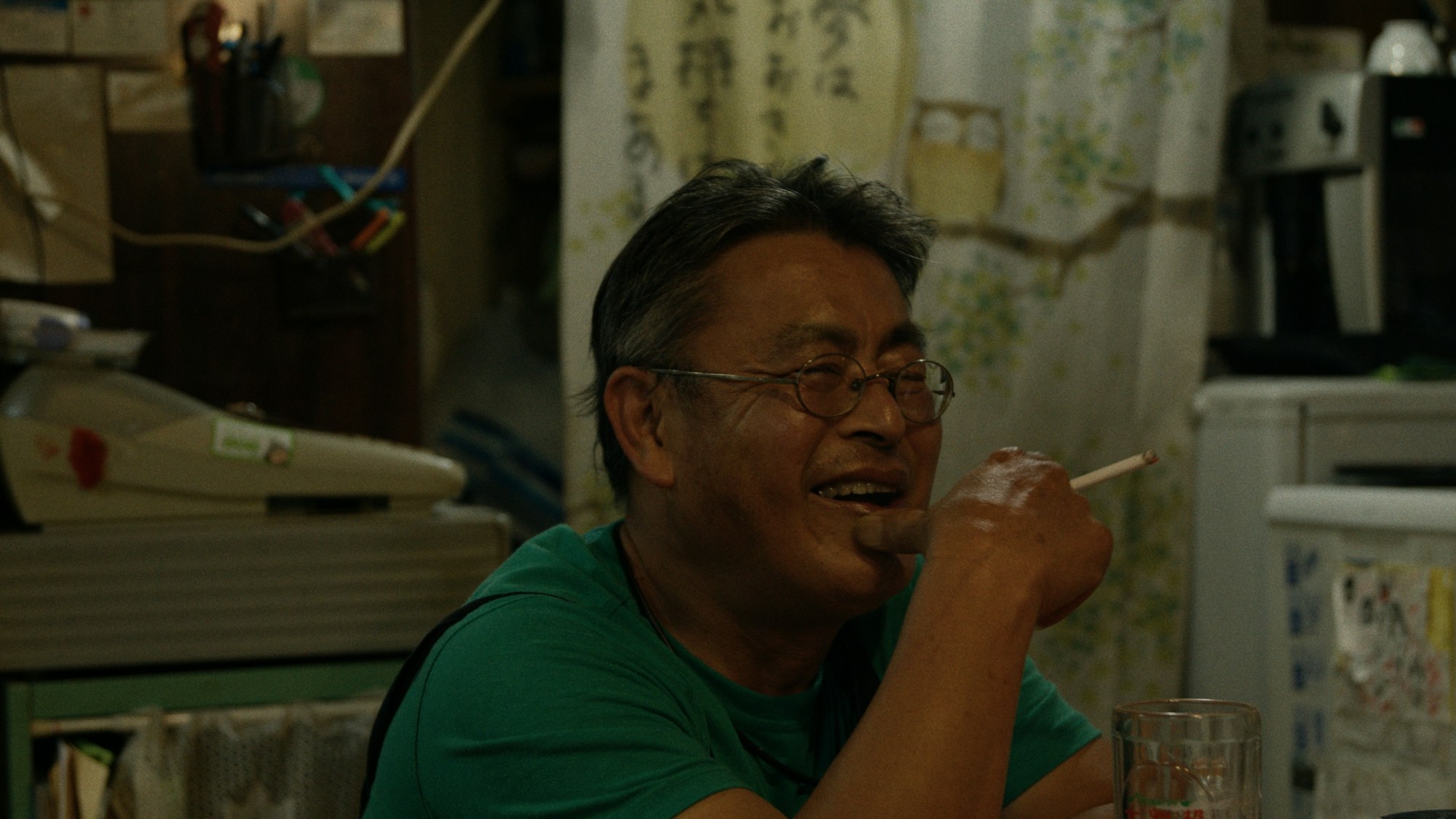
Director, DP : Tetsuya Uesugi DP, Interviewer : Matthew Jones Sound Mixing : Tsuyoshi Sakado
Yuichi Shimizu
Born in Kyoto Prefecture. After relocating to Hokkaido following a part-time job at an agricultural cooperative, Shimizu worked at Hotel North King in Engaru Town and founded “Poppoya” in 2011. Shimizu strives to create a cozy atmosphere and serve heartwarming meals.

