

Starting on a Whim
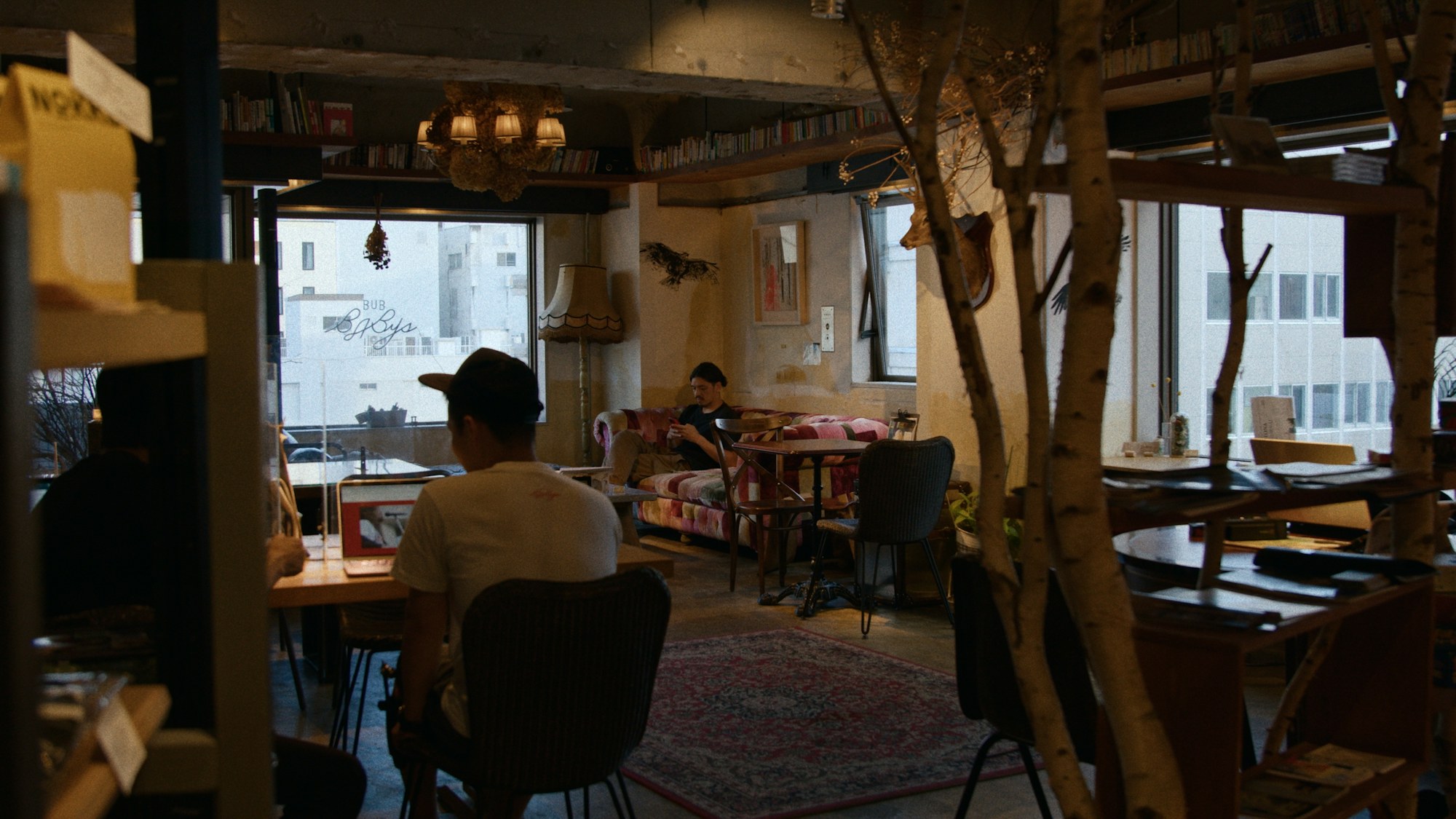
When I first started the business, it was really just on a whim, like, "Let's just make it a corporation already." I registered the company in Sapporo, but I didn’t a lot of work here, so at the beginning, I was traveling back and forth between Tokyo and gradually expanding our operations. I settled my company in Sapporo about five years ago. The climate, commuting, cost of food, and the rich nature made it all so comfortable. This year marks the ninth year for the company, but I can’t help but look back and notice there’s a big difference now. It really feels like a whole new environment.
I still feel the same comfort with the environment, but as a place to continue my business, I’ve started to think about what my next challenge should be.
The Limits of Hokkaido
When you start meeting and working with more people, they start asking and trusting you with more things. You learn how to fulfill their expectations because you get used to it.
But I started to doubt if that’s enough. I really would like to go beyond expectations, put in my personality and pursue the fun in these projects.
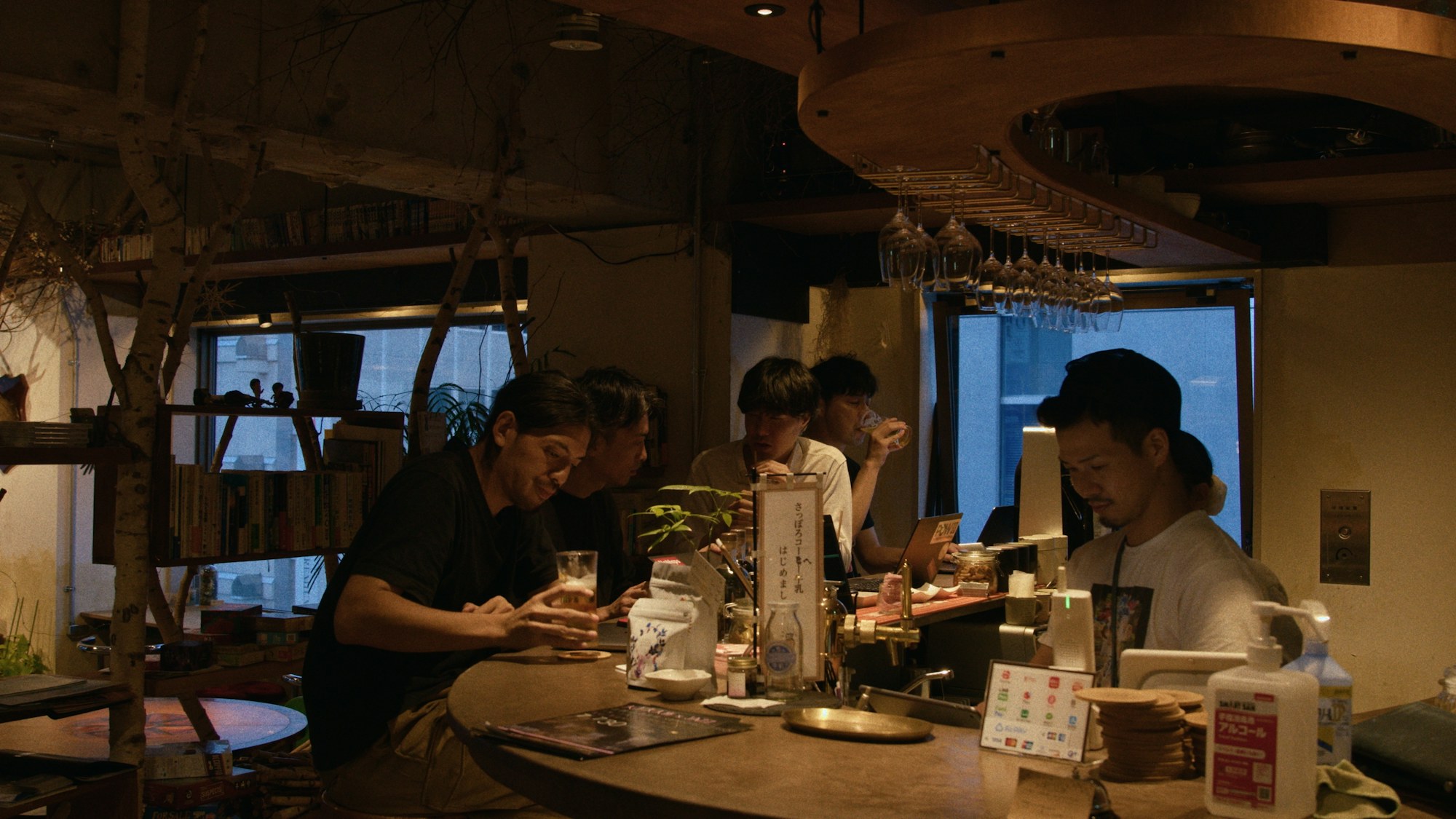
I’m considering moving to the suburbs or even abroad in the future. Hokkaido is geographically vast, but the social circles here are quite limited. Over the past seven to eight years, I’ve built a lot of relationships, but Tokyo is still more exciting.
The people you work with and being part of a great team is really important. I’m pretty mediocre in some ways, so if I don’t work in a team, it’s not fun. If you’re working alone, the biggest issue is that you can’t create anything beyond what you can already imagine. That’s why I enjoy collaborating with others to create things that go beyond my own imagination.
When seeking new challenges, I think it’s best for me to hand over projects or delegate the work, but it’s not so easy. For instance, there's SHAKOTAN GO, my community development company in Shakotan (Misaki no You), which is extremely challenging. I work with local employees, many of whom have never used social media, so it’s crucial to communicate the direction we’re heading and progress together. Until now, I’ve often led the charge and worked on the ground, but with more companies and projects involved, I’m not capable of all of it anymore. It’s a new challenge for me as a business owner.
Mahjong Project
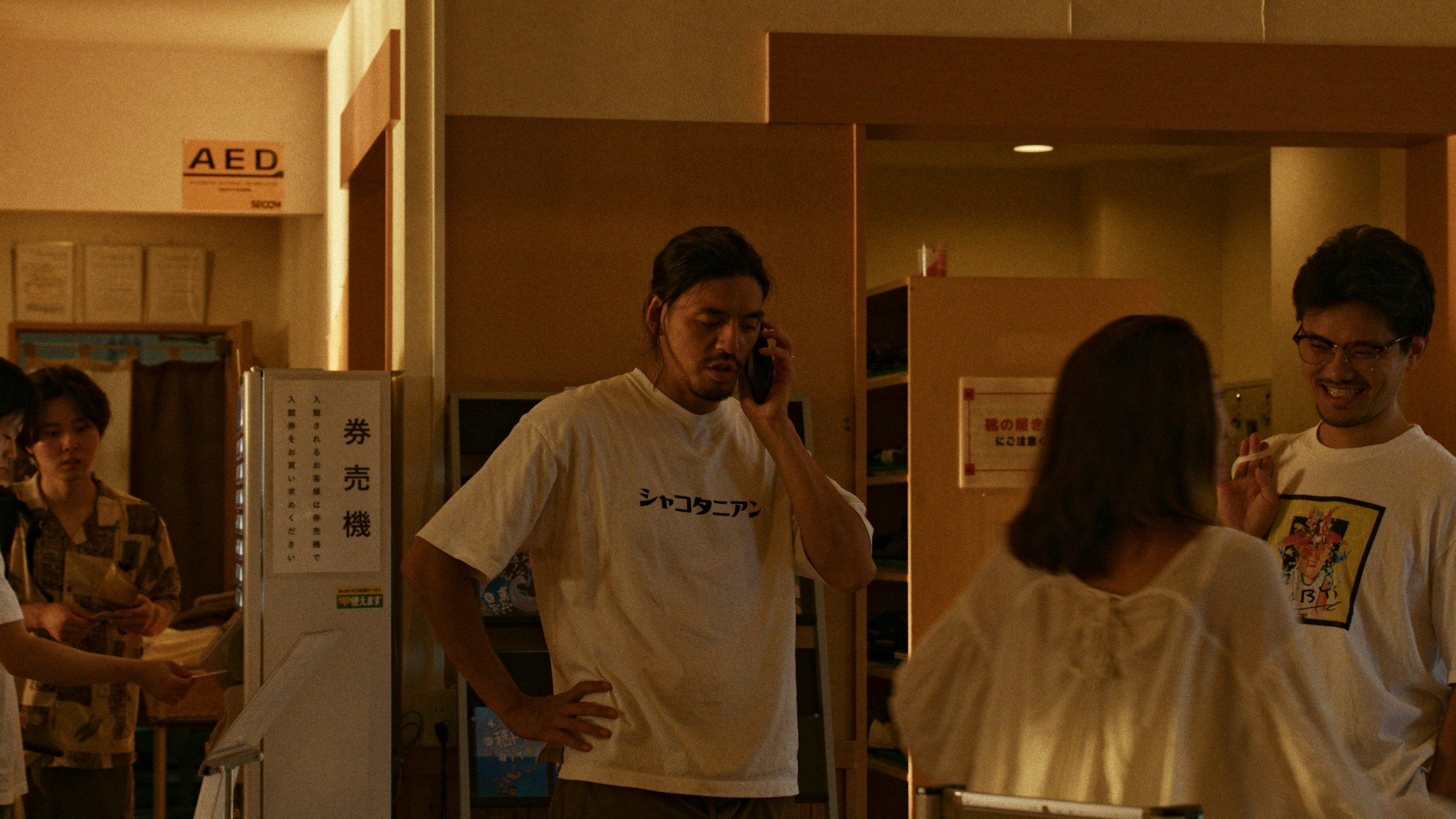
Just yesterday, we had a meeting about a project to create a paid mahjong blog.
I thought, “Oh no, if I do this, I’m going to be even busier—ugh!” but at the same time, I felt this is exactly the kind of things I wanted to focus on.
I recently met up with a high school classmate, and he mentioned that he’s ranked first nationally in a chain of mahjong parlors called Marchao.
While we were talking, I started to think this could be a really fascinating project with massive potential for content.
We talked about creating a Twitter account and tweeting daily while blogging mahjong content on Note. Even though it’s going to make me busier, I realized that I need to consciously steer myself back in that direction.
I want to create something that I find really exciting and think, “How can we make this fun for everyone?” Over the past few years, I’ve been overwhelmed with tasks and requests from others, so as a form of rebellion, I’m stepping into this totally unnecessary mahjong project.
Misaki no You Shakotan
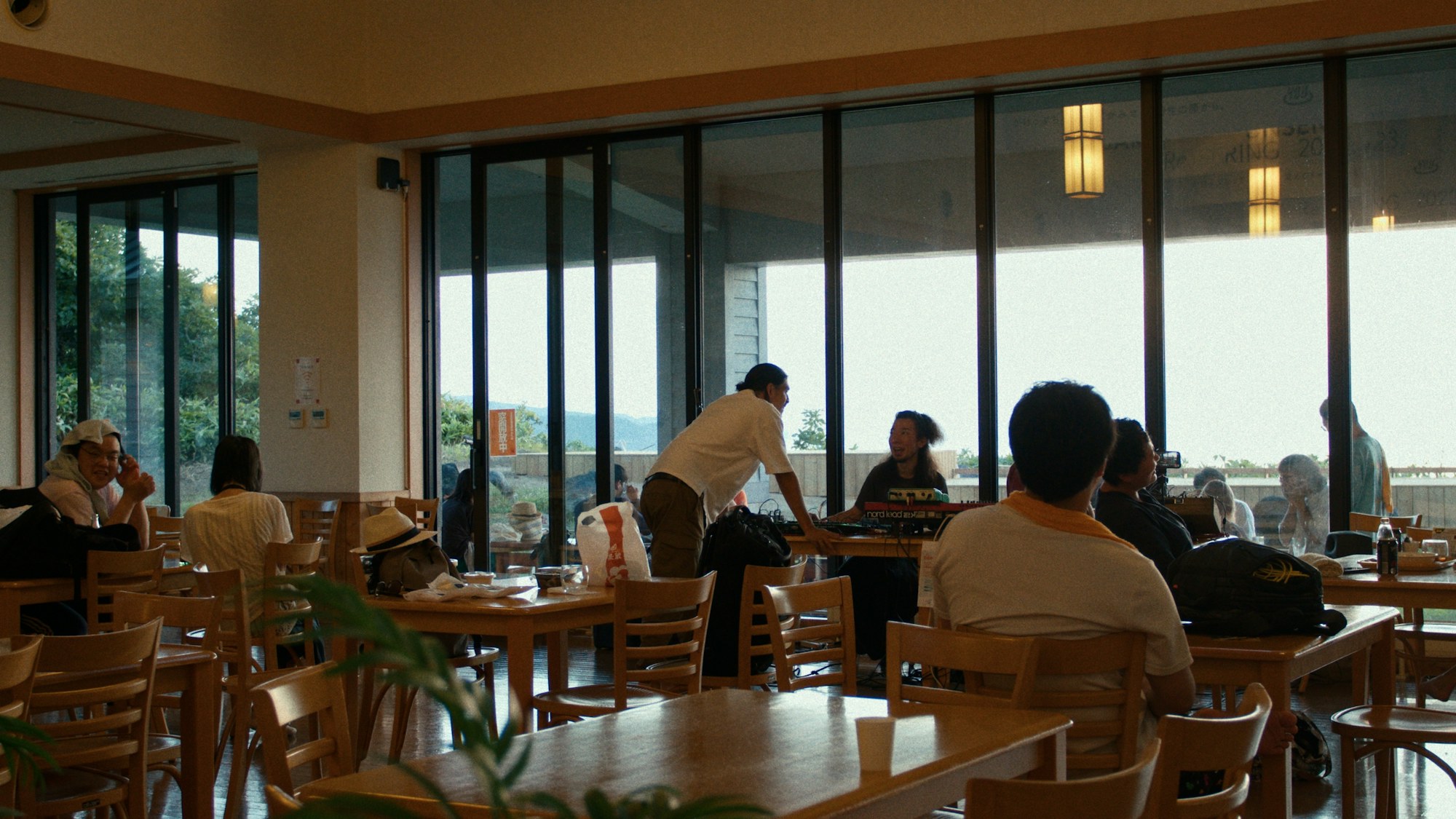
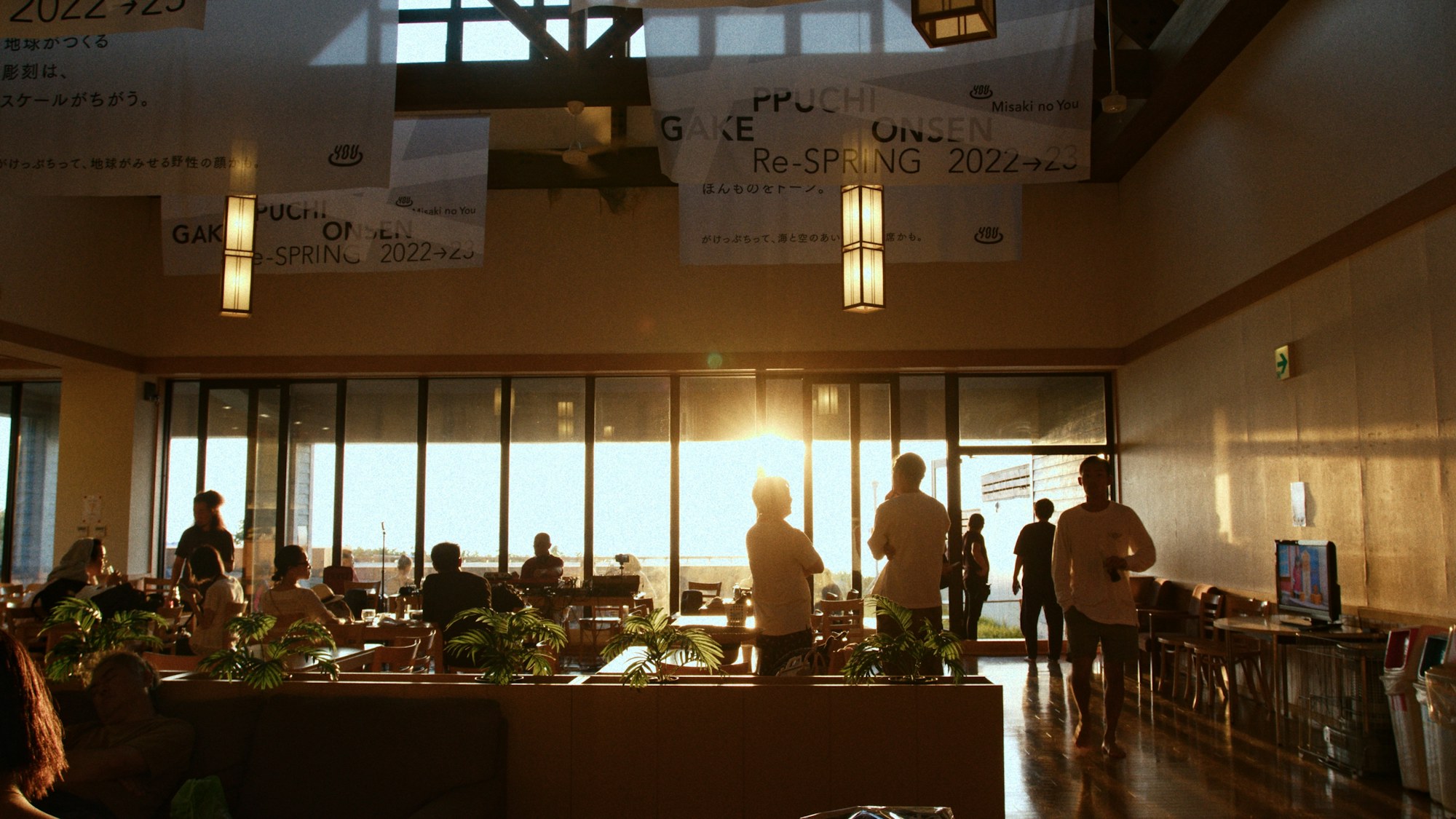
The onsen, Misaki no You Shakotan, also started with excitement.
The hot spring facility was built 21 years ago, and it had been run at a deficit by the town government. A few years ago, they put out a proposal to find a private company to take it over.
When I heard about it from a friend in Shakotan, I thought, “This sounds interesting.”
I’ve always been interested in spatial design and community building, and It’s alway been part of my work. I’m not really interested in just creating buildings. I’m much more fascinated by the idea of beautiful spaces and creating relationships between nature and the community.
Shakotan has faced a mountain of challenges from the start, and it still does—there are so many challenges, it’s overwhelming!
The biggest issues are the electricity costs, the fuel oil costs, the deteriorating equipment, and the fact that almost no one comes outside of the summer season. There are problems that need to be addressed as part of the hot spring business and problems that the community as a whole needs to tackle. But in the meantime, we’re running out of money, and the hot spring could shut down, so we have to keep the business going.
However, if we continue doing things the way they’ve always been done, it’ll just end up failing, and there aren’t many people who can step up and make changes. It’s a tough battle.
Chasing Battles
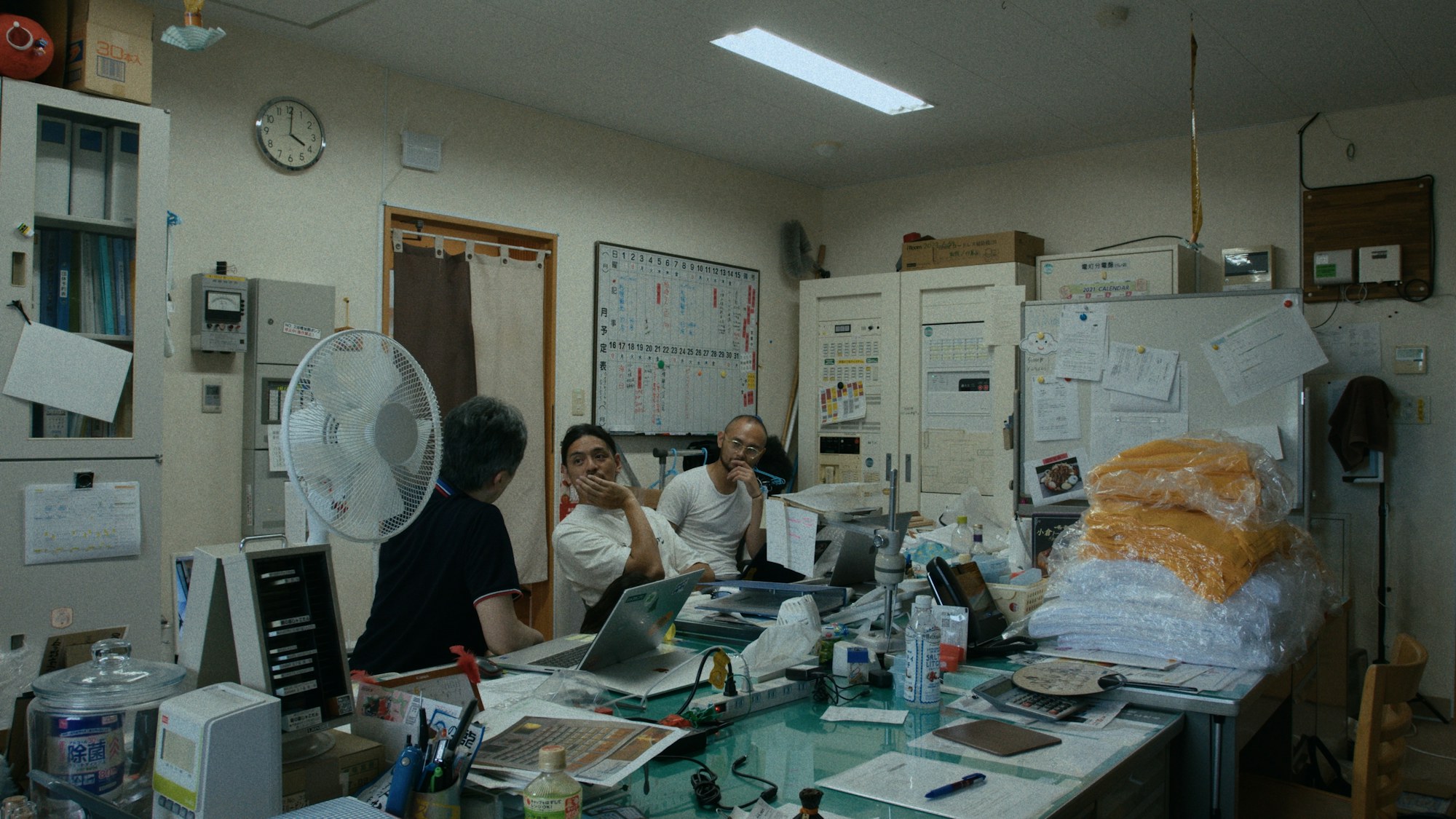
The reasons I feel like I’m hitting a wall aren’t just about the environment or any one business. Timing is a big factor as well.
We have to break down the walls by making changes. Specifically, I need to decide how to streamline the business—what to delegate and what to focus on. It starts with those decisions, and then, as strange as it may seem, creating a mahjong blog could also be part of the solution. I think these random, mysterious activities are worth pursuing.
On the other hand, it may be time for me to go back and study architecture or art again. Maybe I should just fly off to a different country for a while.
Recently, I’ve been discussing these thoughts with my wife and she keeps asking why I’m always taking on these difficult tasks, when I’m not even sure if they’re profitable. And I think, yeah, she’s totally right.
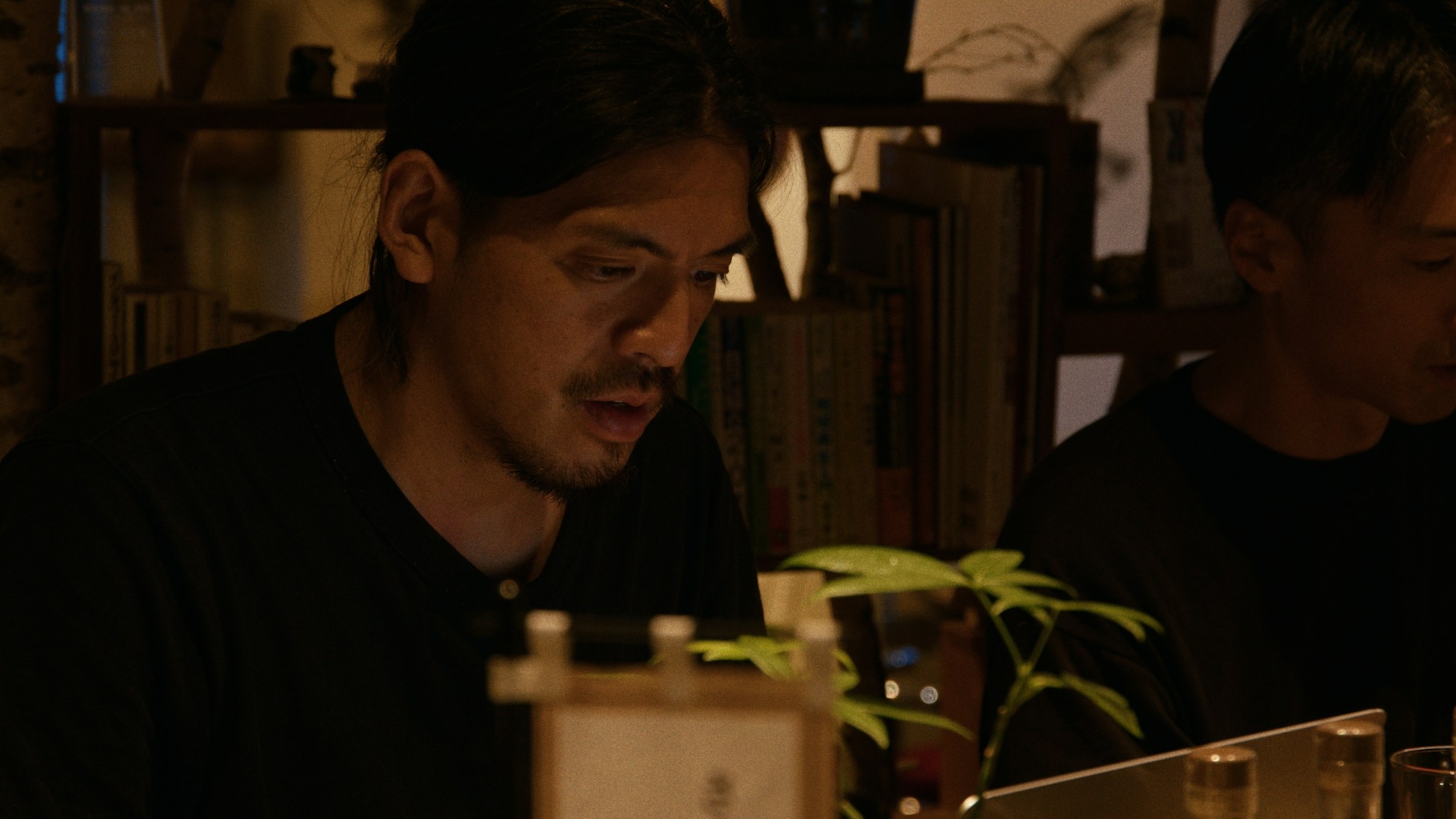
When I try to figure out why, I feel like I have a similar mindset to the generals who fought for the Toyotomi side during the Siege of Osaka. It’s like I’m chasing battles, and I’m not really interested in wars that seem winnable. I feel more drawn to these seemingly hopeless causes where, if we work hard enough, we just might pull off a win. That’s how I’ve been feeling lately.
After Half-Time
People are very keen on company visions and mission statements. I’ve always avoided creating those. There are many different ways to approach goals.
I think the process is similar to writing novels. Some people plan out the entire plot beforehand, while others create as they write. I’m definitely in the latter. Once I can see the end, I lose interest. I’ve never really thought to much about how I want the company or my future to turn out.
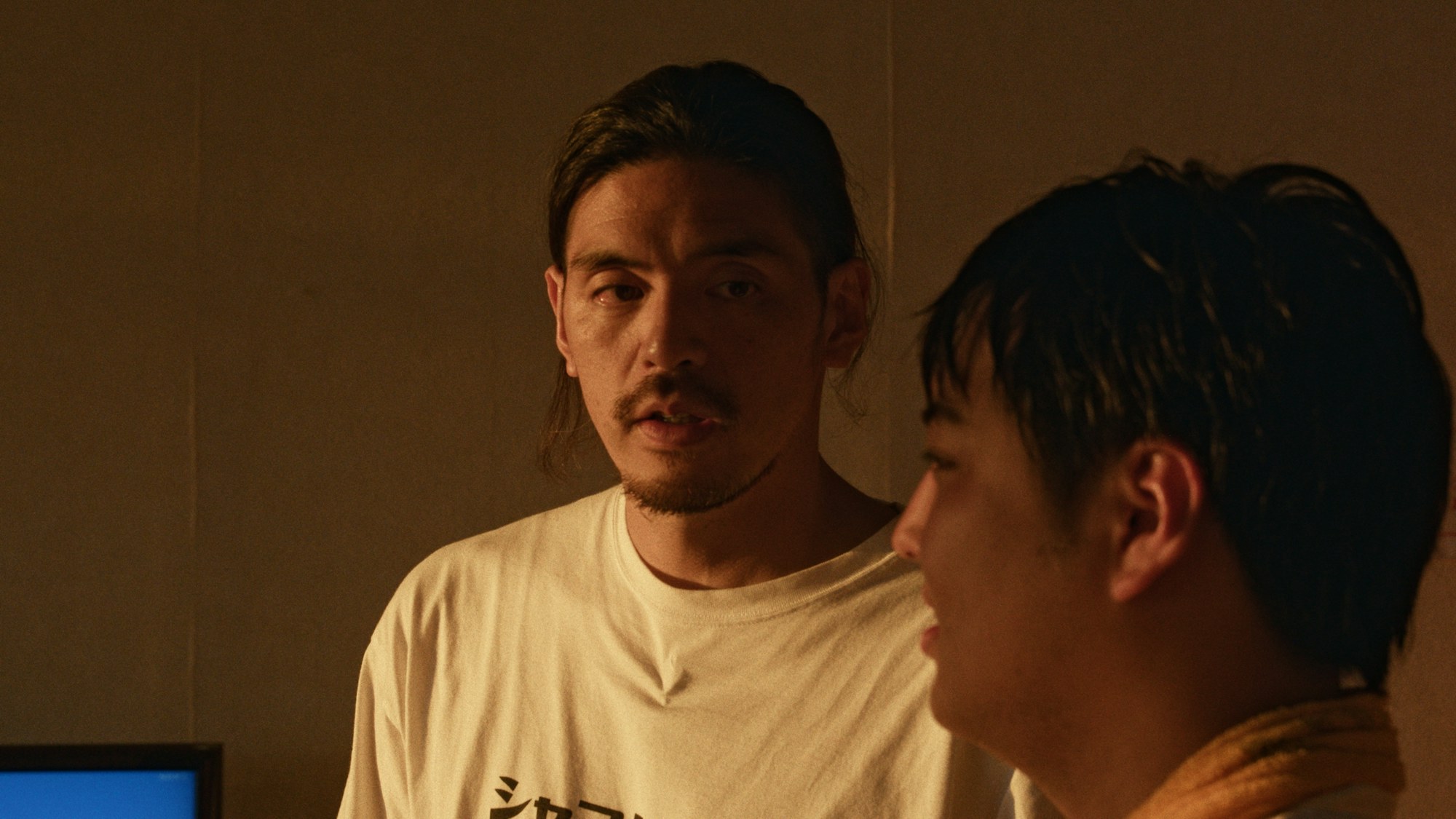
It’s not that I don’t want to be tied down to something, but now that I’ve reached 40, I feel like I’m running out of time to take on every new project. It’s like I’m at the end of stoppage time, just about to hit halftime, and I’m getting ready for the second half. When I can’t do everything, what do I choose to do? I just want to make something exciting. That's what my gut tells me.
Director, DP : Tetsuya Uesugi Assistant Director : Haruka Teramoto, Mahiro Sato Sound Mixing : Tsuyoshi Sakado
Shinichiro Igarashi
Born in Otaru, Hokkaido. After graduating from the Department of Architecture at the University of Tokyo, Igarashi gained experience in the real estate industry and established Otona Co., Ltd. in 2016. He has been involved in numerous unique projects such as the Sapporo Relocation Plan and the Hokkaido Relocation Draft Conference, contributing to the creation of creative spaces and the revitalization of the Hokkaido region.

