

Childhood in Naganuma
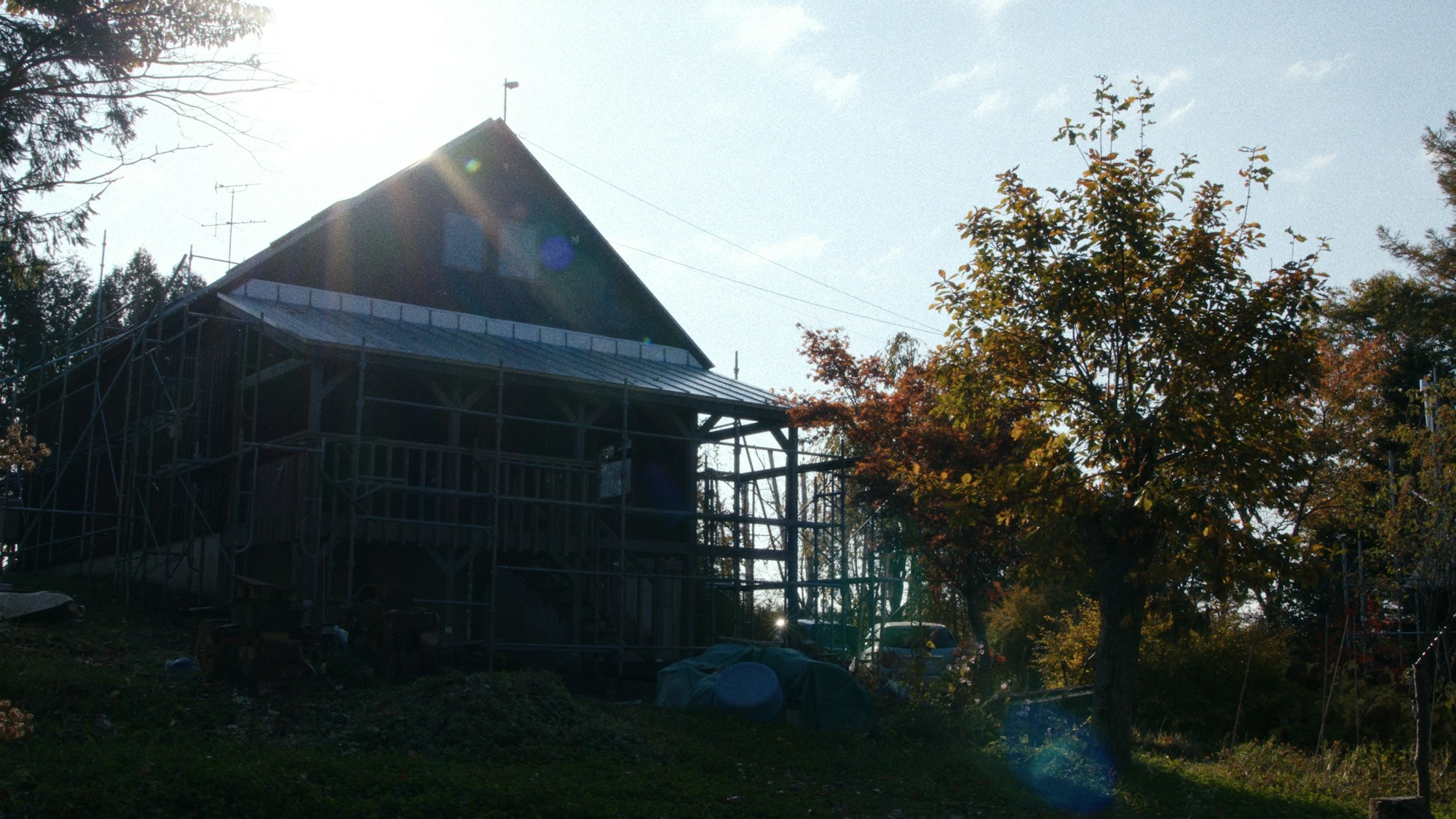
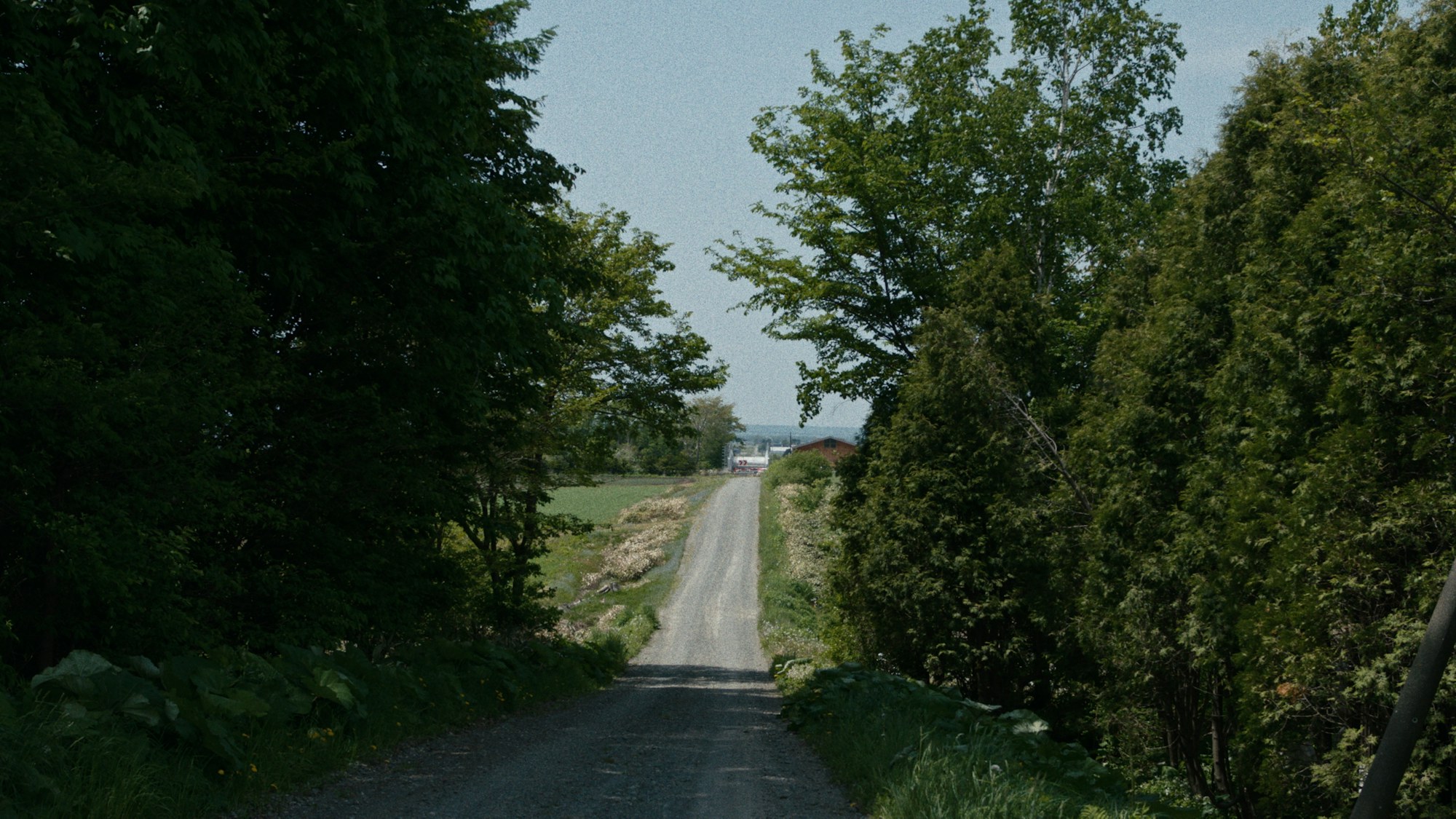
I was born and raised in Naganuma, surrounded by its vast nature, and this was normal to me. Most of my classmates came from farming families.
People mention that Hokkaido has landscapes that feel foreign, and I can definitely see that. When I see rural landscapes in Honshu, with persimmon trees and tiled roofs, I feel like, "Ah, this is the real Japanese countryside." When I return home to Hokkaido, I realize that the landscape that’s truly rooted in me is this one.
Influence of My Father
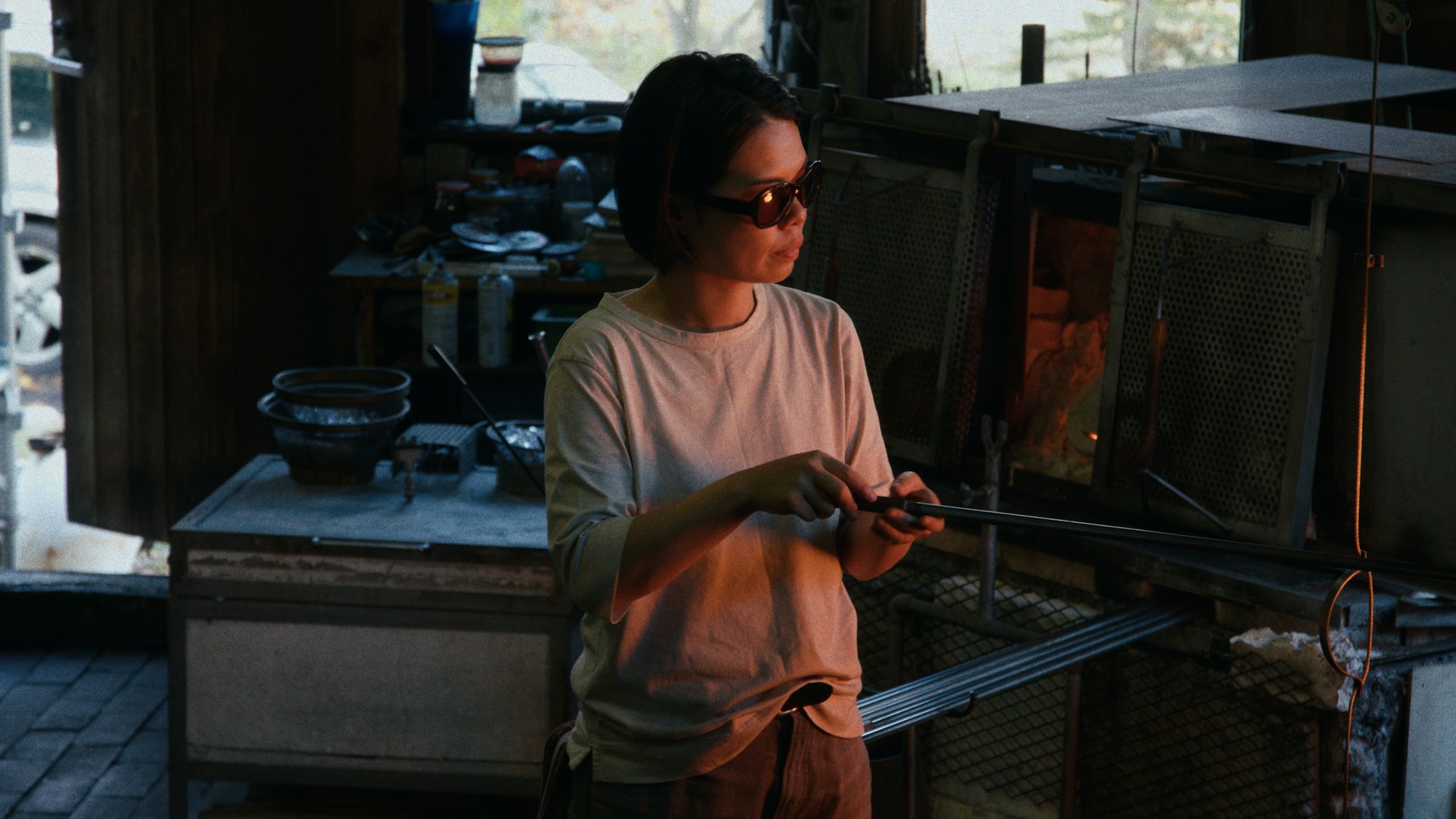
I didn’t so much choose glassblowing as it just sort of seemed like the natural path for me. Of course, having a father who was a glass artist influenced me, but more than that, I just loved moving my body, drawing, and creating things with my hands. That was the only thing I was really interested in.
When I entered the College of Arts and Crafts, I had the chance to experience various fields—ceramics, woodworking, metal casting—and choose what suited me. Glassblowing felt the most natural to me. It had this softness while it was a challenging material to shape. Yet it was also fascinating how freely it could move.
Speaking of personality, my father was also a free spirit. I remember as a child, he would often say, "The weather’s nice, so let’s skip preschool and go to Lake Shikotsu," and we’d just take the day off. I think I inherited that carefree, spontaneous side from him as well.
Finding Myself in Scandinavia
In my twenties, I had the opportunity to visit Sweden. Strangely enough, the moment I landed there, I immediately felt the air of Hokkaido. Even though I’d traveled for more than ten hours, the air and the cold felt just like Chitose Airport.
I had always admired Scandinavian design and lifestyle, but when I realized that the things I admired were similar to Hokkaido, I thought, "Why not just live in Hokkaido then?"
For about a month, I assisted a glass artist named Monica L. Edmond, who was of indigenous Sámi descent. She had a strong sense of why she was creating glass art in that region and how she presented it to the world. She deeply valued her identity, which left a lasting impression on me. Seeing her, I started thinking about my own roots and identity.
I realized that instead of just admiring others, I needed to focus on where I stood. I needed to first establish my own strong roots. That realization marked a major turning point in my life.
The Discovery of Painting
At first, I thought I could easily make a living as a glass artist. But when I went to craft fairs, I found so many artists who were far superior to me in terms of technique, stamina, and sense of style.
Financially, things weren’t working out, and I clearly realized I couldn’t compete in that environment. I felt lost for about five or six years. I knew I needed originality to succeed as an artist, but I didn’t know what that was for me.
There was a long-established gallery in Roppongi called Savoir Vivre that I had admired since I was a student. It was so prestigious that I had never dared to approach them. But with the encouragement of those around me, I finally reached out. Though my work still wasn’t quite there, they told me they would host a solo exhibition for me the following year. I was both excited and extremely nervous.
Even after sending several prototypes for the exhibition, I was told that my work still wasn’t good enough and that it was hard for them to even look at. But then, they saw my portfolio which happened to have some drawings from my student days, and they said, "I can see your enjoyment through these pieces. Why don’t you paint?"
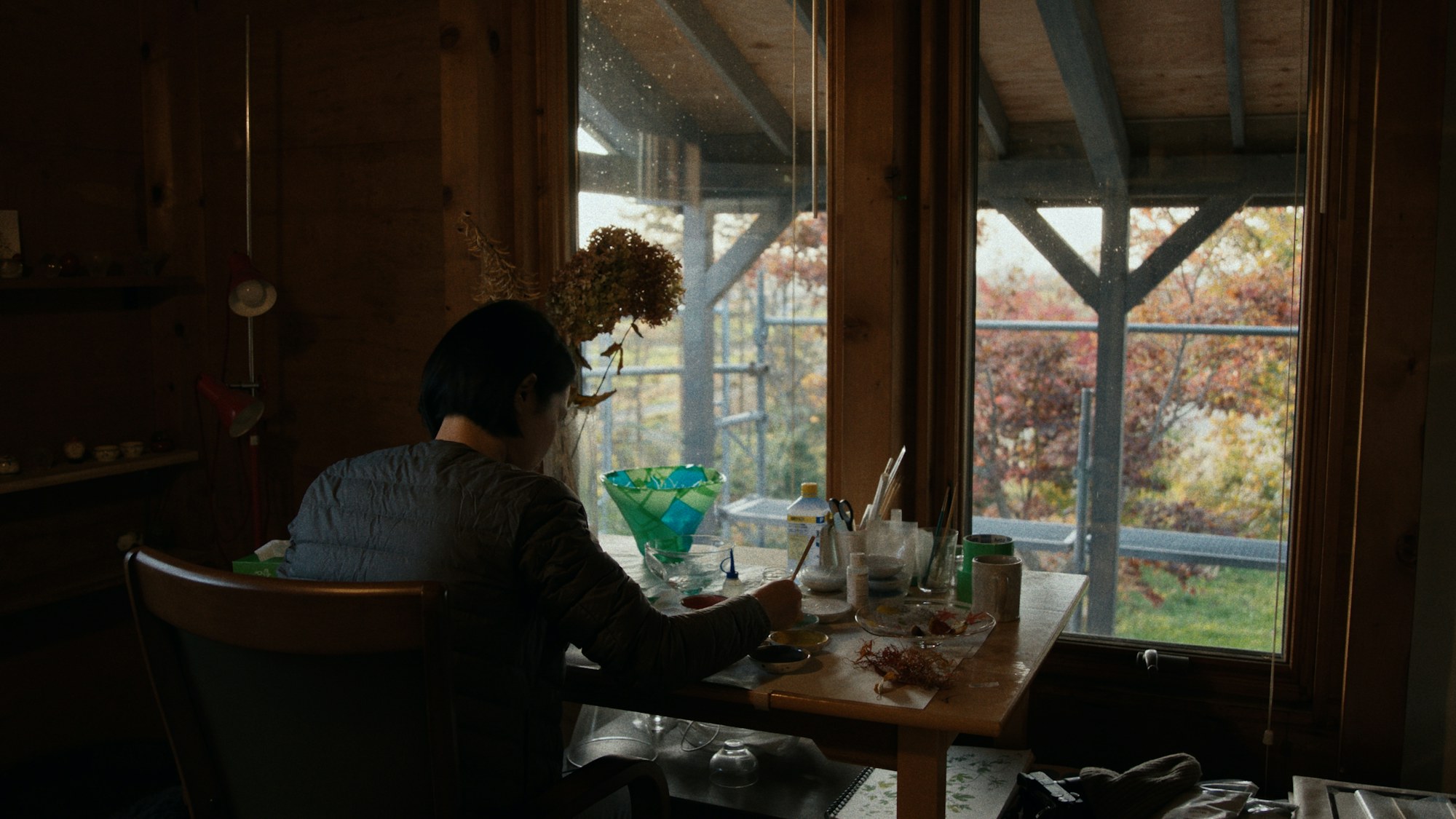
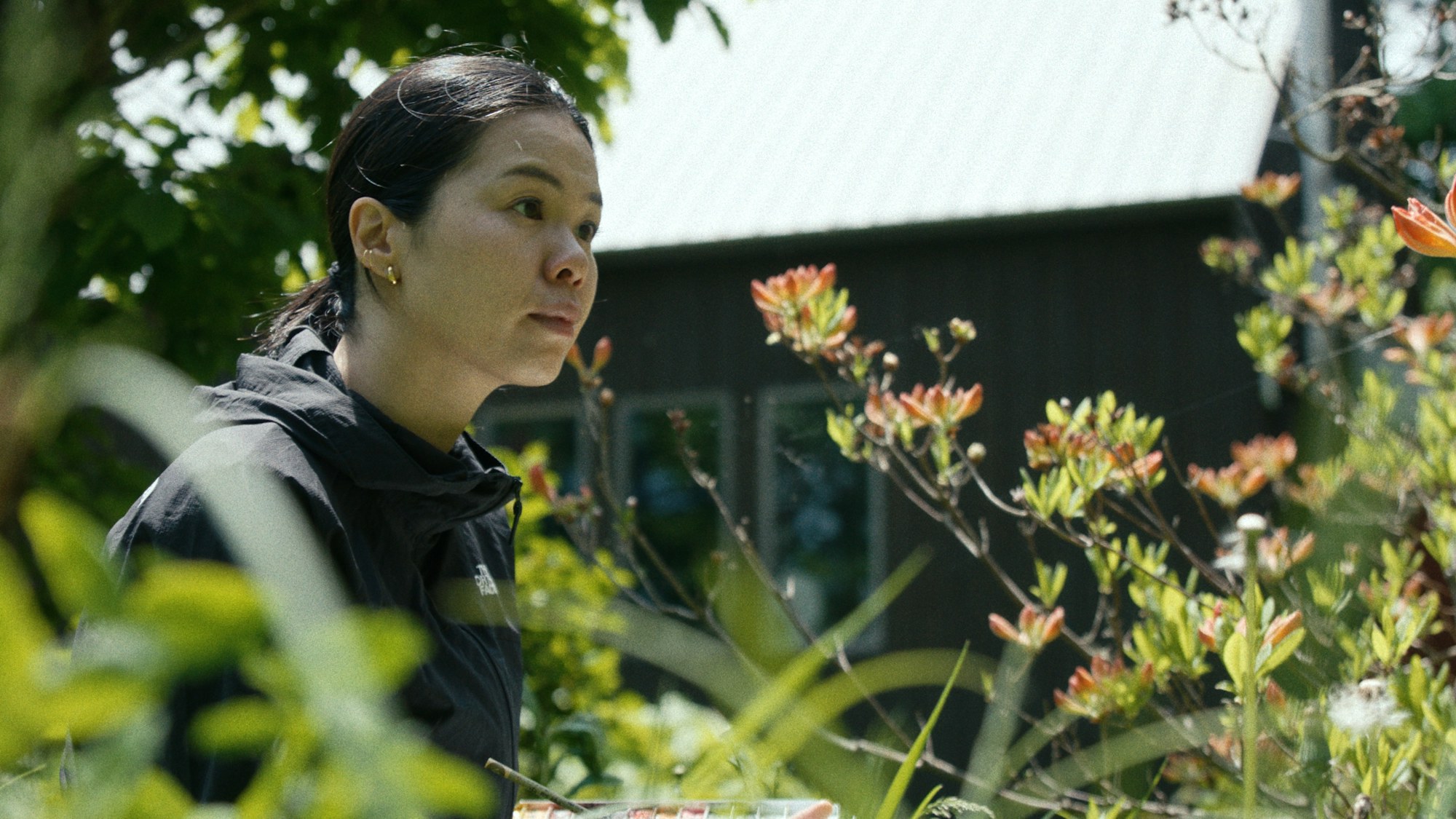
That was really the beginning. In high school, I had studied Japanese-style painting, so when I picked up the brush again, my heart leapt. When I thought about what to paint, I looked down at my feet and I saw how lively the flowers bloomed beneath me. I started painting the plants and flowers that caught my eye. I had been surrounded by them all my life, so it felt natural to draw them, like it lived within me.
I started with sketches and also began taking photos. What to capture within a square frame—what was it that I wanted to see? The more I observed, the more I began to notice their expressions. Even the same flower looked different every day. I realized that the possibilities for motifs were endless, and everything began to appear vibrant. It was at that moment that I recognized that the rural landscape, which I had once thought had nothing, actually had everything.

Working While Having Fun
Takahashi Yoshihiko, the glass artist I admired and assisted, enjoyed life by playing guitar and ukulele. Monica once stopped working when the sun came out, saying, "We’re going outside!" She even gave me a school swimsuit, saying, "Let’s go swim in the river!" It might be because I went during a time when there wasn’t much sunshine, but she’d always say, "We work for our happiness!" Even though it’s a simple truth, it was mind-blowing. It made me realize that’s how things should be.
From now on, my goal is to enjoy nature more, have fun, and mixing up work and play. I’d love to visit new places, sketch, and take photos as I develop new ideas.
I'd immerse myself in new landscapes and connections, letting their essence fill my heart, and channel that energy into my glasswork. That would truly bring me joy.
Director, DP : Tetsuya Uesugi Assistant Director : Mahiro Sato, Keita Muraki Sound Mixing : Tsuyoshi Sakado
Yuki Nishiyama
Born in Naganuma, Hokkaido, Nishiyama began her career as an assistant at Yoshihiko Takahashi Glass Studio before joining Toyama Glass Studio. In 2010, she established her base in Hokkaido to pursue her artistic career. Currently, she holds solo exhibitions worldwide, showcasing her work at venues such as Savoir Vivre and Nihombashi Takashimaya.

