

Graphic Design and My Dog, Ranman
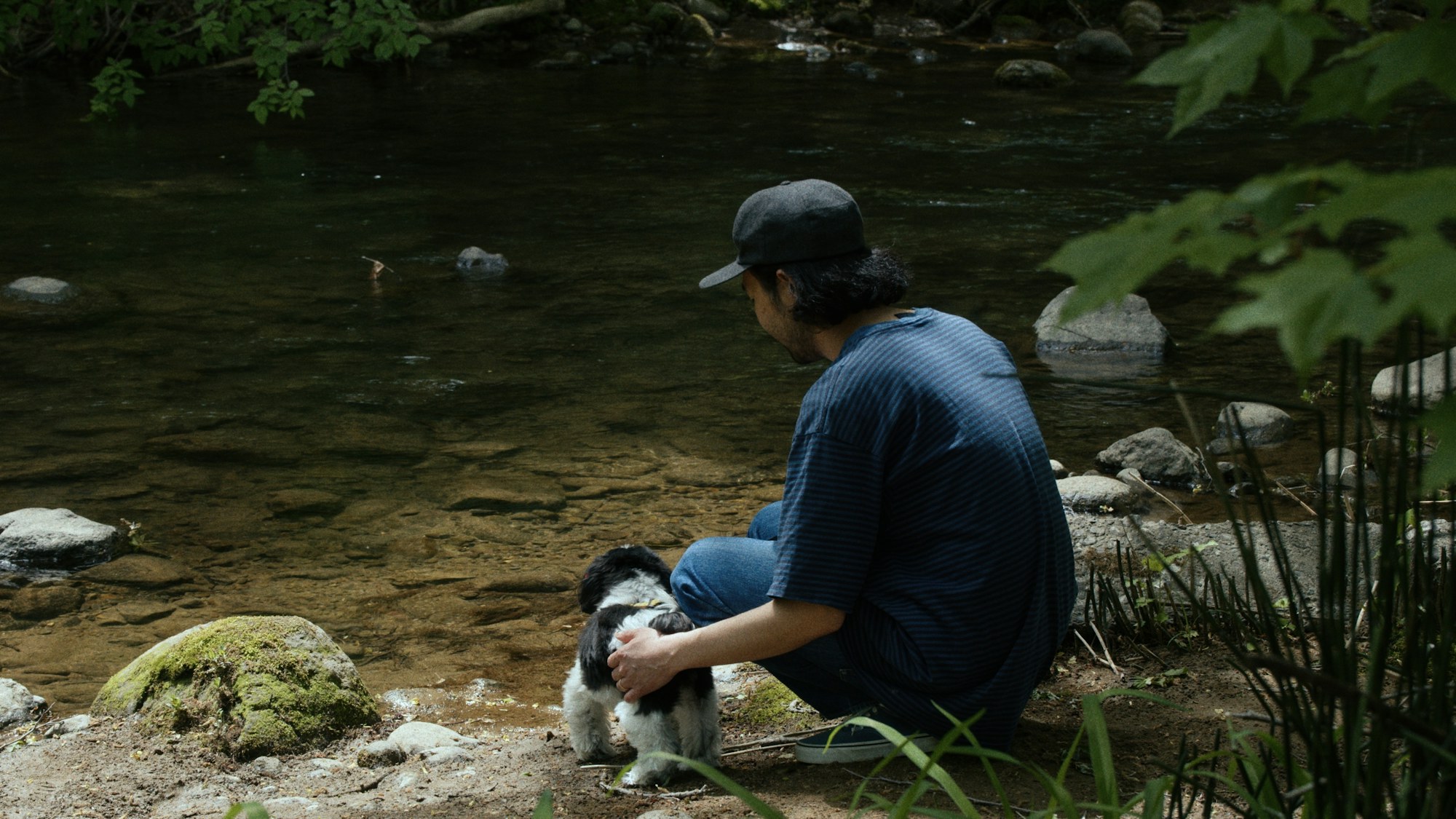
My dog’s name is Ranman.
It’s fascinating to me how, despite not being able to exchange words, we can still communicate and naturally be together. Sometimes, I find that curious.
But maybe that’s why it works so well. With humans, having words often complicates things, leading to awkwardness. But with a dog, there are no misunderstandings like that.
This feeling of communicating without words reminds me a lot of what it’s like when I’m designing. Even if there were a “God of Design,” no matter how much I ask, “Is this right?” or “Is this cool?” I obviously wouldn’t get a response. I have to convince myself. That’s why design feels similar to dealing with animals. I’m always going through that same process over and over as I create.
Growing Up in a Family of Sign Makers
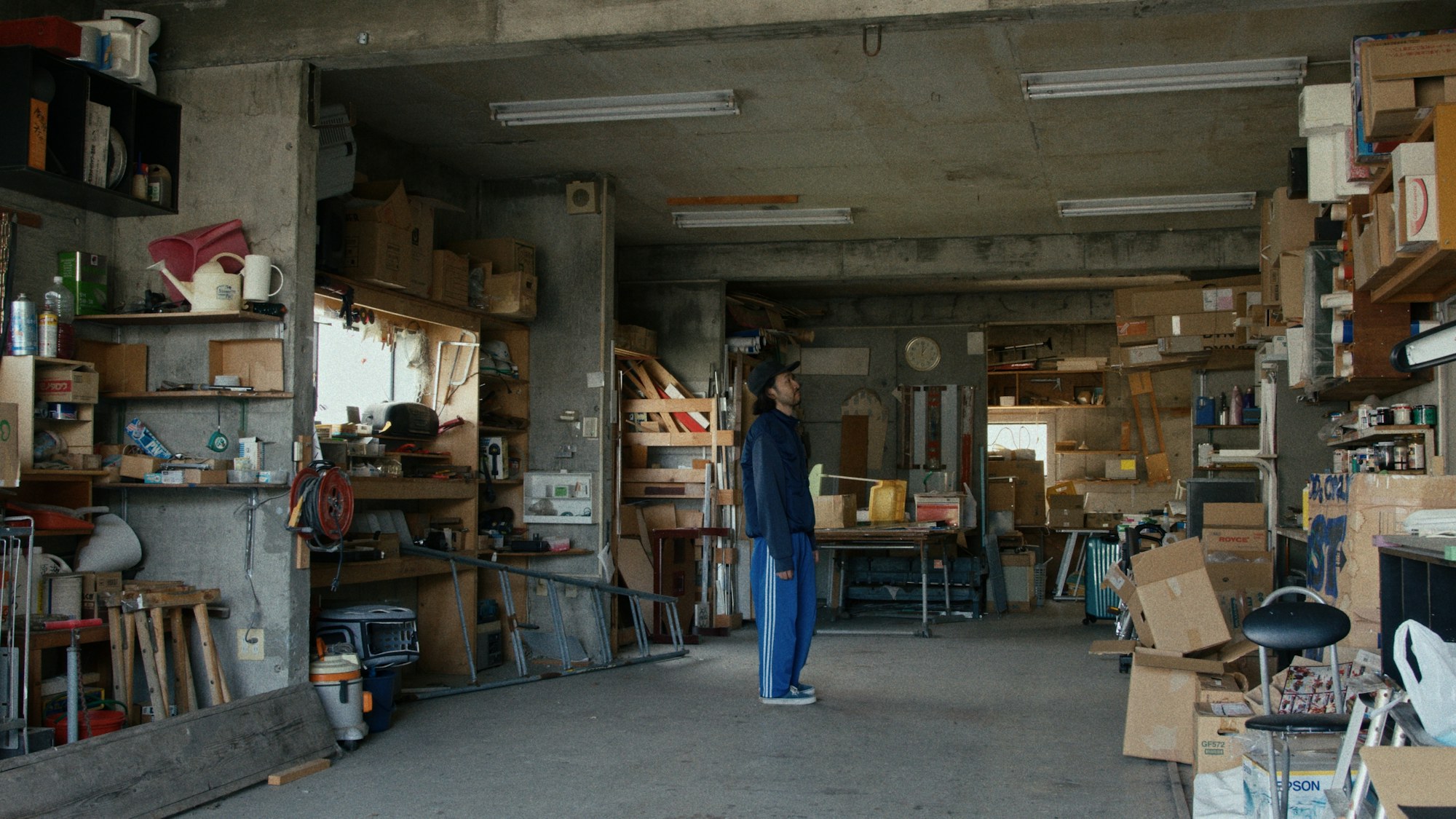
My family ran a sign-making business.
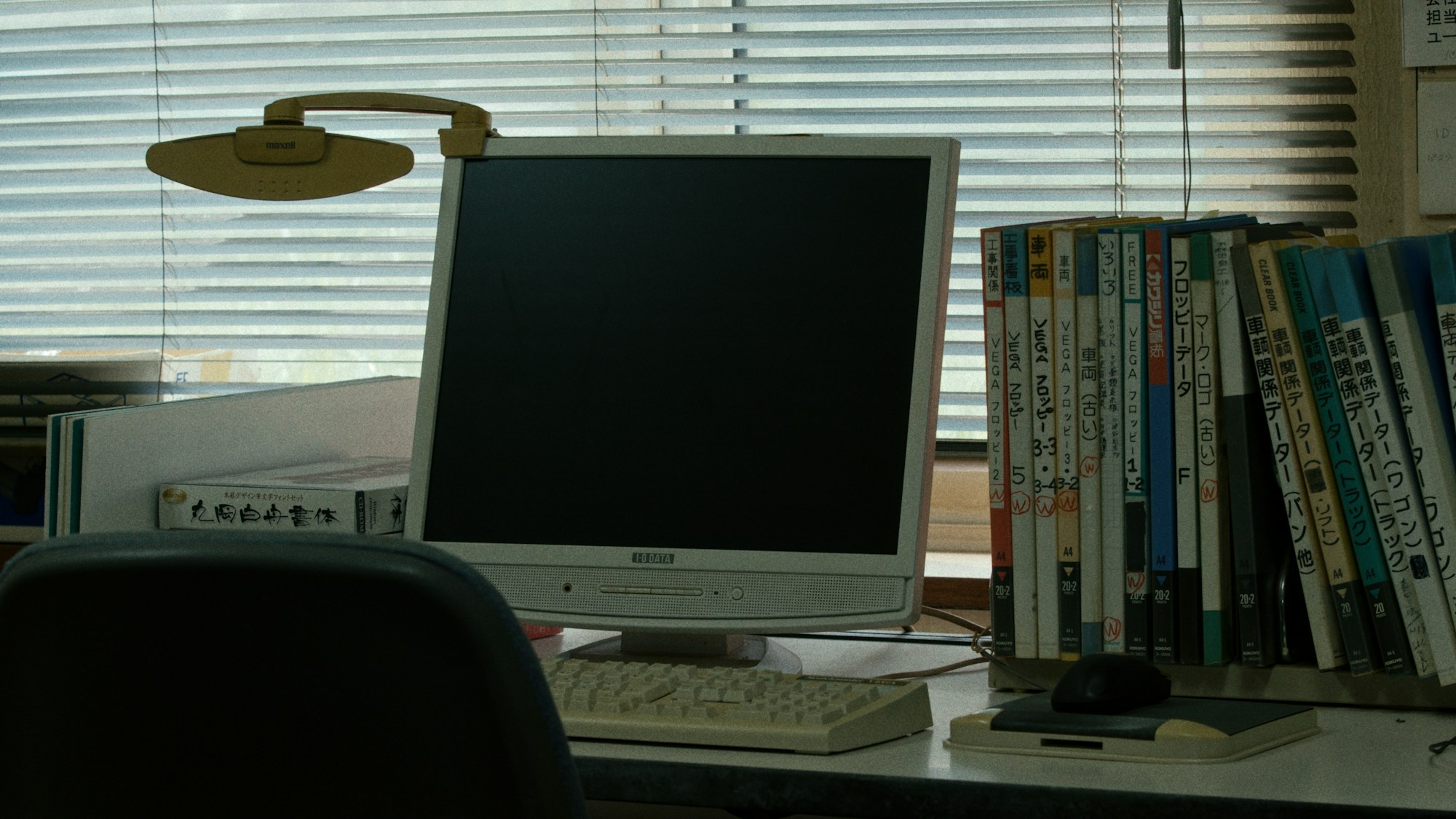
We lived in the rural town of Rumoi, with a workshop on the first floor and our living space upstairs. I have vivid memories of my father sitting cross-legged on top of a sign, carefully hand-painting each character with a brush. As technology evolved, he switched from using brushes to using a computer mouse when vinyl cutting became the norm.
Because I grew up watching my father work, I naturally developed a bit of interest in design. I decided to attend Hokkaido Institute of Technology (now Hokkaido University of Science) with the vague hope of discovering something over four years. During college, I gradually became more captivated by graphic design, to the point where I couldn’t wait to graduate—I dropped out and enrolled in a design school instead.
Living in Sapporo was a dazzling experience, unlike anything I’d seen in Rumoi. I was especially drawn to the flyers for music events scattered all over the city. They looked so cool to me that I would collect them and cover the walls of my room with them. That’s what really got me into graphic design.
Luckily, my father had already started using Adobe Illustrator and Photoshop for his work, so he set me up to use them on my own laptop. He taught me the basics, and I would play around, creating things daily. Having a family background in sign-making made it easy to jump right into graphic design when the passion hit me.
Aiming Higher
I started my career as a designer at a printing company. It wasn’t so much about the content of the work but the fact that I was getting paid to design—it was incredibly fulfilling. I felt a deep sense of satisfaction knowing that the graphic design I was passionate about was genuinely needed in society.
Later, through a series of unexpected events, I joined a design firm that included the famous design duo Wabi-Sabi. The environment was completely different from anything I’d experienced before. The biggest difference was the emphasis on design competitions and external recognition. By focusing on awards, my motivation naturally grew, and it fostered a competitive yet collaborative atmosphere. It was a place where I could truly experience what it meant to aim for higher standards in design. This was a major turning point for me, transforming my approach to design and how I thought about it.
The Journey to the JAGDA New Designer Award
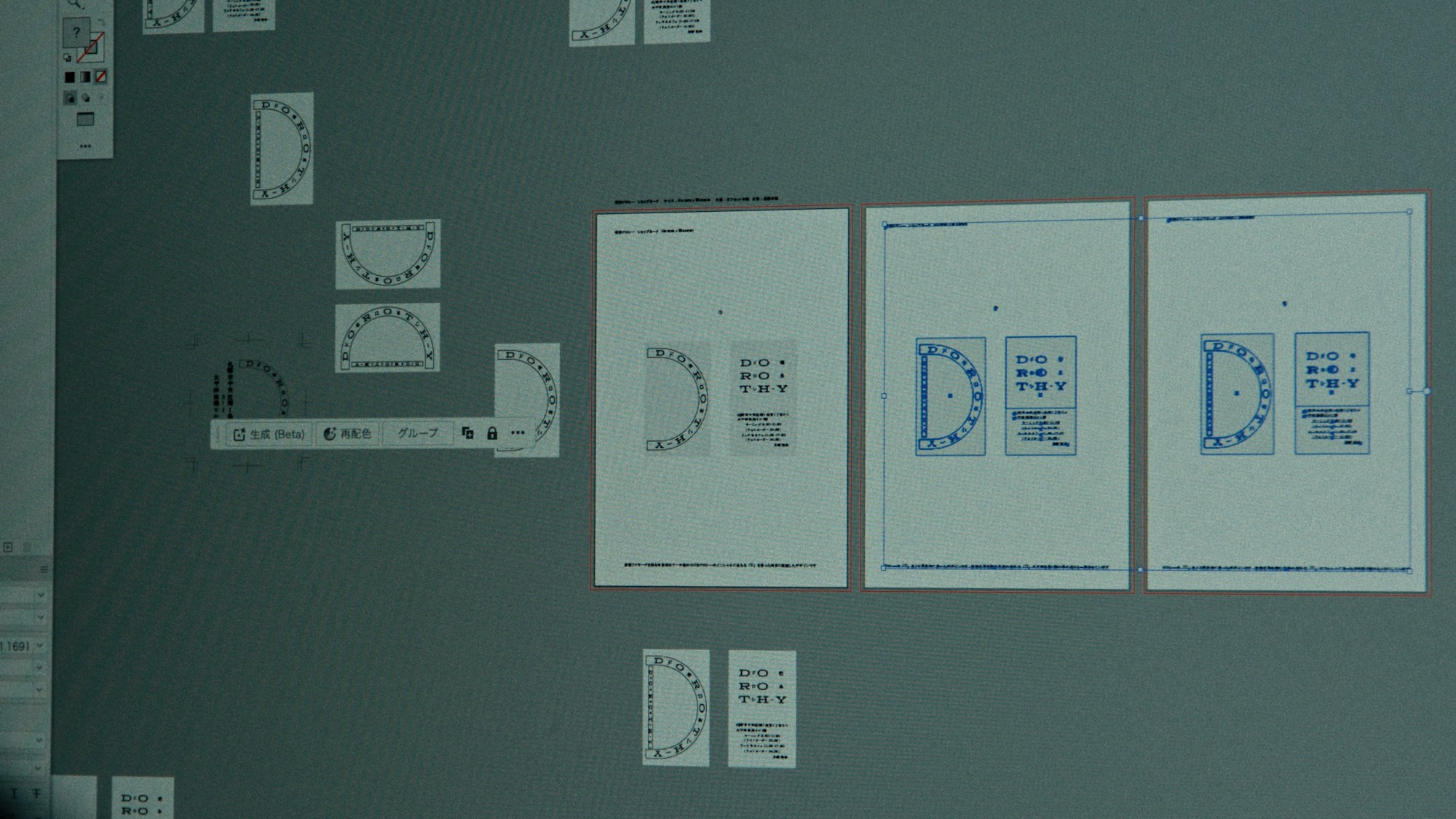
At first, I was hesitant about entering design competitions, but as I came to understand their value, I began to enjoy them. Fortunately, I was able to achieve some success within Hokkaido, which gradually boosted my confidence.
However, the JAGDA New Designer Award was a whole different story. It’s a nationwide competition, and the level of competition is incredibly high. It felt like a goal I couldn’t lightly talk about. But I thought it would be good to clearly know whether I was the kind of designer who could win such an award or not—it was scary, but I wanted to find out.
Encouraged by the support and advice of the president of the design firm I was working at, I took the leap and started competing. Of course, with the age limit of 39, each year felt like a countdown. Finally, at the age of 38, on my fourth attempt (beyond the proverbial “third time’s a charm”), I managed to win. It’s something that still serves as a source of strength for me.
Freelance Life in Sapporo’s Misumai Area
Becoming a freelancer was driven by many reasons...
I love design, but I’ve always wanted to remain true to myself, as a human. Choosing freelancing was part of that desire. Moving to a new area changed everything, not just the surroundings but my entire lifestyle.
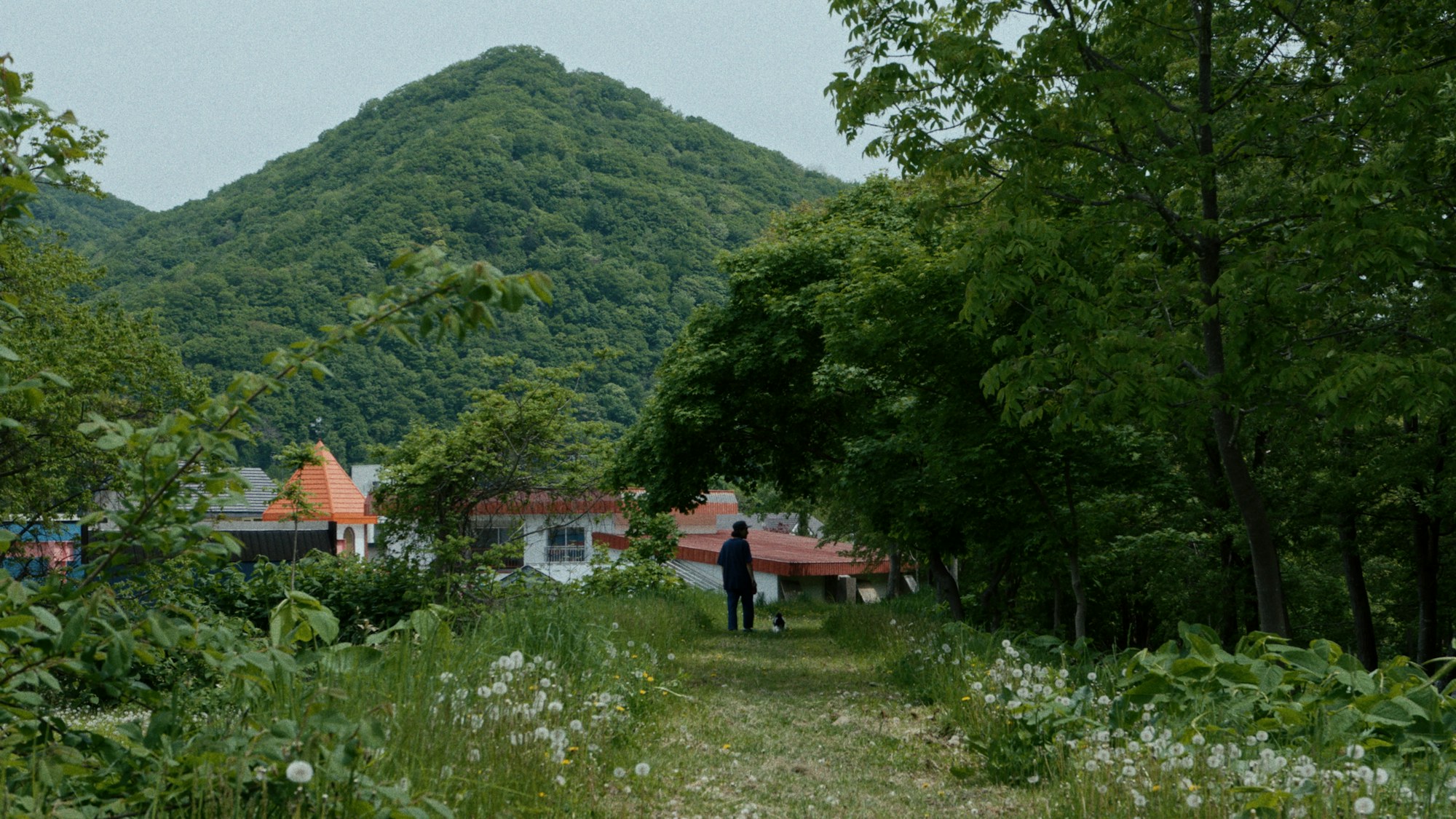
By the way, I live in a place called Misumai, which, I’ve learned, comes from an Ainu word meaning “river.” I had been considering using the word “river” in my business name, so it felt almost like destiny.
I’m fortunate to have a river right by my workspace. In freelancing, where you have to make all the decisions yourself but also have the freedom to do so, I often feel inspired by the steady flow of the river. The river never stops, flowing even while we’re asleep. There’s something reassuring about seeing that constant movement—it helps keep me grounded.
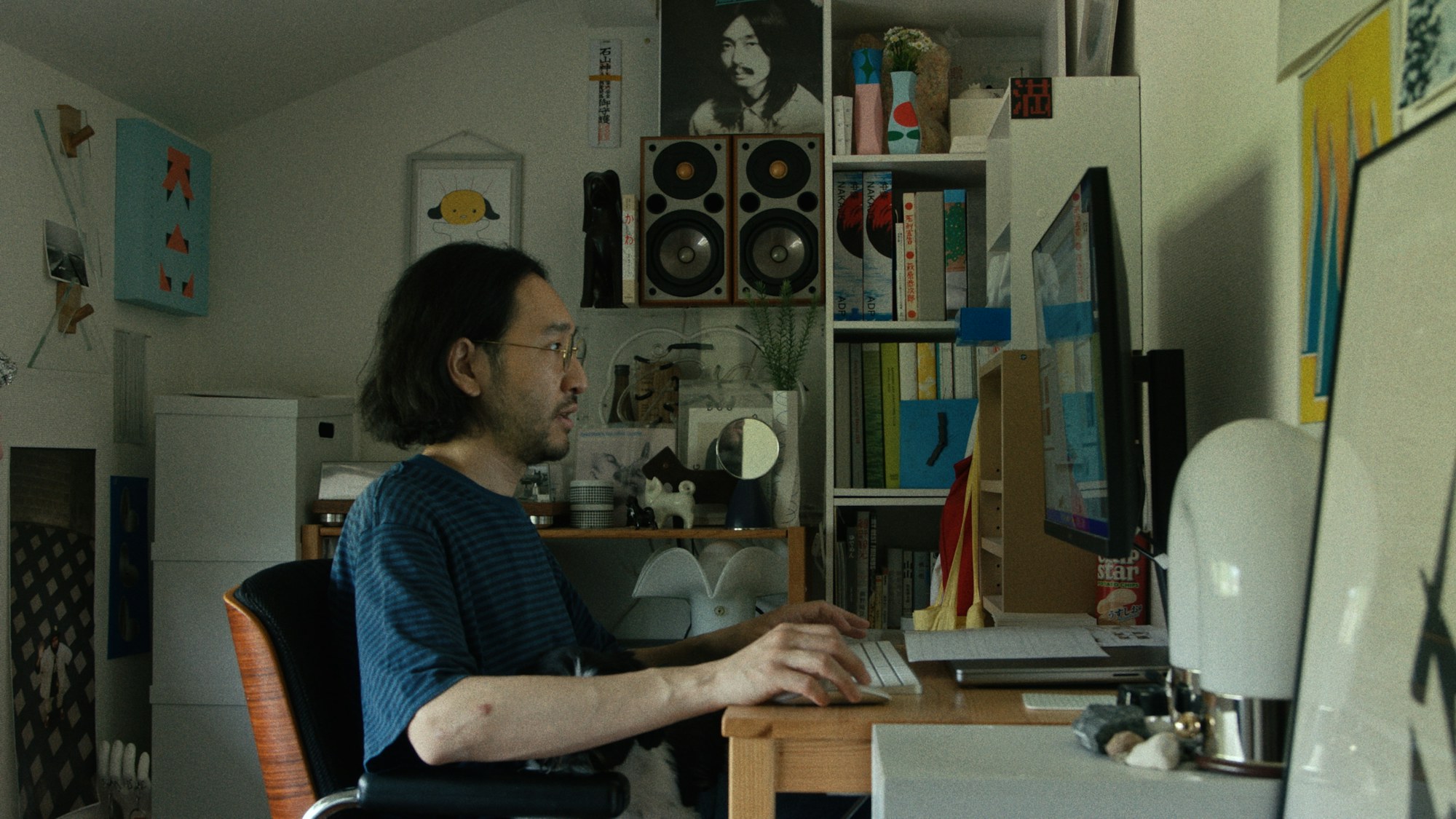
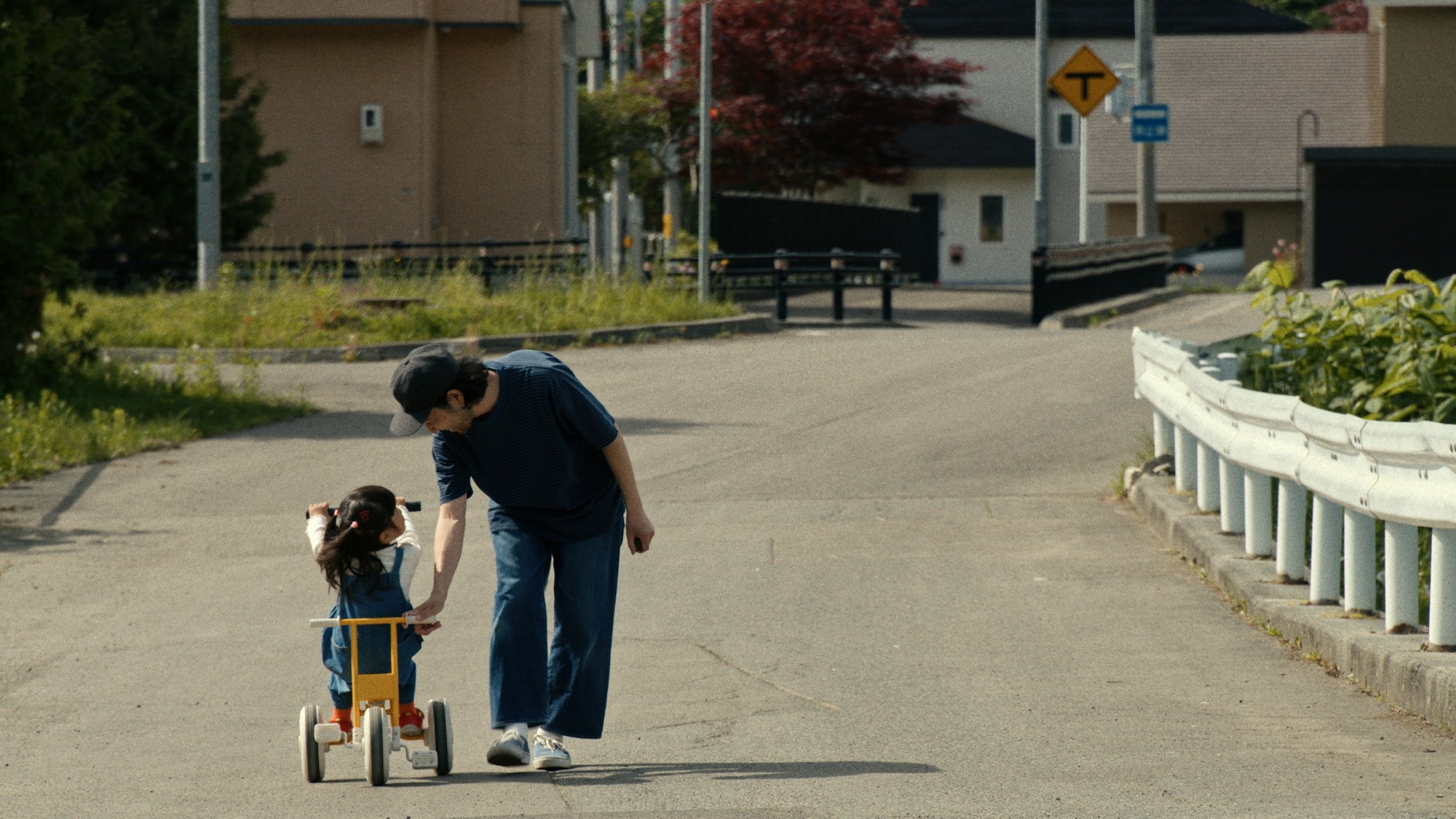
Since my home and office are now combined, I’m physically closer to my family. This can be both a blessing and a curse, as it sometimes causes stress, but it’s also what keeps me going. I work in an attic space, and it only takes five seconds to go down the stairs to see my wife, daughter, and dog. It’s almost like having a teleportation door!
Contributing to Society and the World
When working on advertising projects, I always aim to convey information in a fun and engaging way. I want it to be more than just something people see or read—I want it to feel like an experience.
I want to take on a variety of projects to reach even more people. My ultimate goal is to make my family happy through my work in design, to bring joy to myself, and to ensure my clients feel that way too.
I hope that my work, which connects me to society, might one day be something my daughter encounters. I’d love for her to have that same feeling I had as a kid, pointing to one of my dad’s signs and proudly telling my friends, “My dad made that.” I hope my work will be a testament to her that her dad is making a mark in the world.
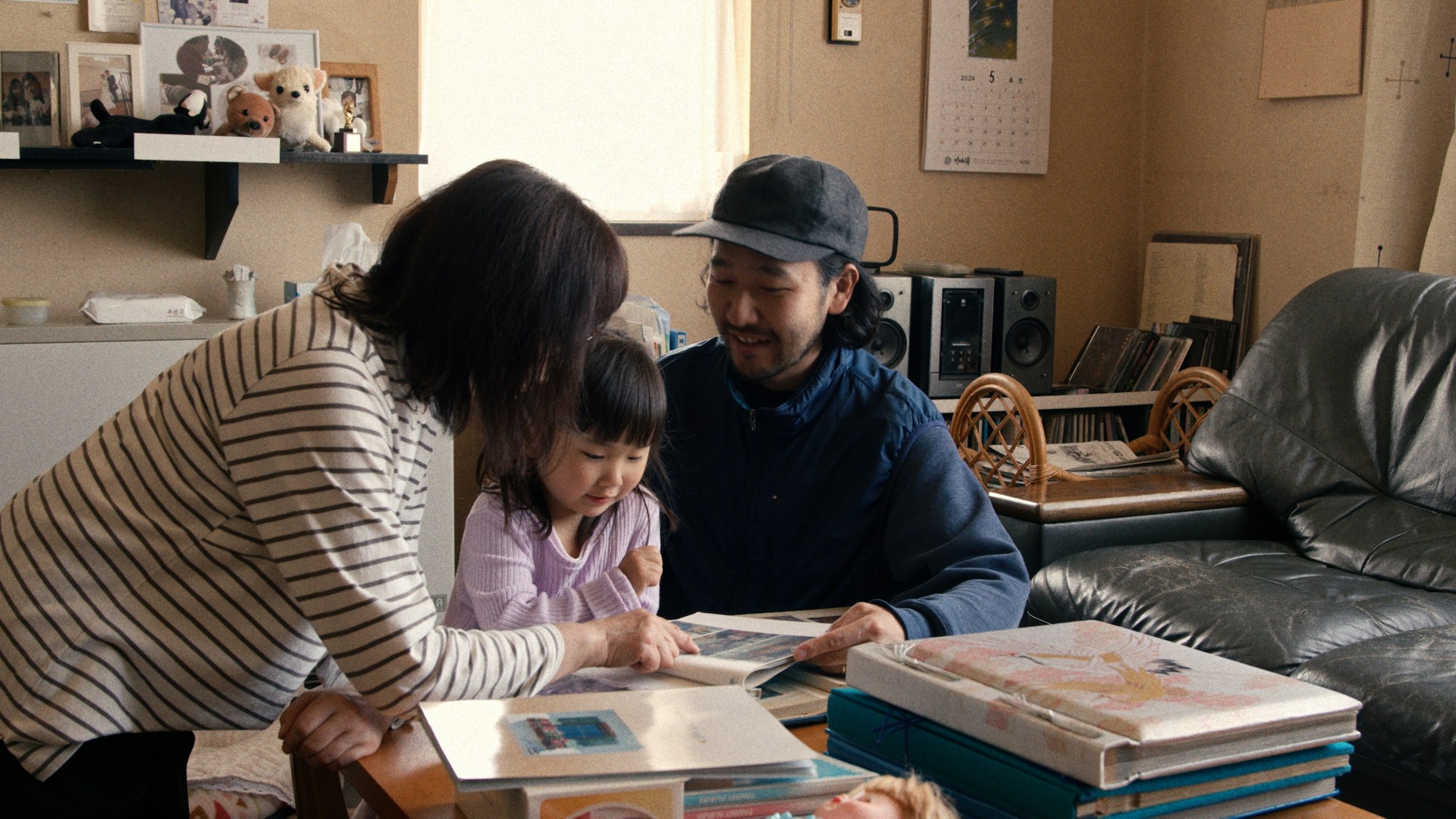
Director, DP : Tetsuya Uesugi Assistant Director : Mahiro Sato, Keita Muraki Sound Mixing : Tsuyoshi Sakado
Ryuichi Kawajiri
A graphic designer born in Rumoi, Hokkaido, and currently residing in Sapporo. After working at Dezain Inc., Kawajiri began freelancing in 2023. He has handled a wide range of design projects, including art direction for fashion buildings and CD jacket design. Kawajiri has also received several prestigious awards, such as the JAGDA New Designer Award and the Grand Prix at the Taiwan International Graphic Design Award.

